
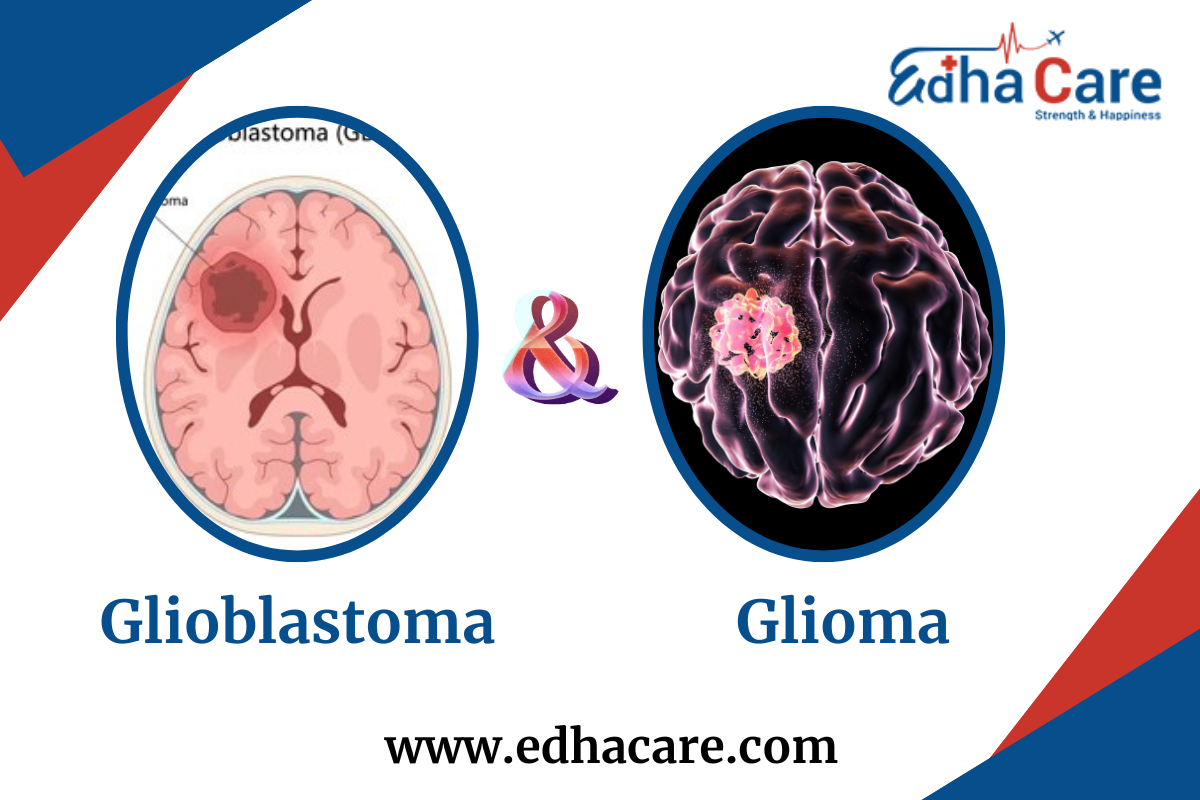
According to the studies, thousands of people around the world are diagnosed with tumors. This is the harsh reality of living. A tumor is a mass of aberrant cells. An exquisite balance of your CNS could be upset by a tumor. Glioma and Glioblastoma are the type of cancers, which forms in the brain. For patients who have encountered these terms in their diagnoses, it can be difficult to differentiate between them because they sound similar.
Patients frequently ask their doctor “Are glioma and glioblastoma the same?”. On the other hand, glioma and glioblastoma have different characteristics, therapies, and results. Knowing the differences between these two brain tumors, patients may be able to better understand their condition. Prepare for possible results and make more informed decisions about their health.
This blog will share information about two brain tumors, named, glioma and glioblastoma. We will learn about the overview, causes, signs, diagnosis, and treatment options for these tumors.
Comparison Between Glioma and Glioblastoma
Both of these tumors arise from cancer cells. Gliomas are a variety of tumors that develop with abnormal growth of glial cells. Stages I to IV are used to classify gliomas, with grade IV being the cancerous.
Glioblastoma is a stage IV tumor and a special type of glioma, which grows rapidly and spreads to the surrounding tissues. These brain tumors differ in several ways. Some other differences between them are mentioned below:
What is Glioma?
It is a type of cancer that spreads in the malignant cells in the brain or spinal cord. Gliomas only grow to the brain and do not form anywhere else in the person’s body.
Rather the brain or spinal cords’ glial cells are where glial cells grow uncontrollably. These cells provide support to the nervous system of the brain that plays an important role in keeping the health of the central nervous system. It is classified by the WHO into four grades.
I and II grades are growing slowly as these two grades belong to the low-grade gliomas. Meanwhile, III and IV grades of this cancer are growing rapidly because they are high-grade Gliomas. There are three subtypes of glioma cancer, including:
1. Astrocytomas:
These tumors develop from glial cells called astrocytes. They can be either growing quickly or slowly.
2. Oligodendrogliomas:
Another type of glial cell called an oligodendrocyte, is the source of oligodendrogliomas which are tumors. They grow slowly and are frequently treated with radiation therapy and surgery.
3. Ependymomas:
The ependymal cells that border the brain’s ventricles give rise to ependymomas. Surgery is often used to treat them and they can be either harmless or cancerous.
About Glioblastoma
Glioblastoma contains a variety of cell types. They are often referred to as glioblastoma multiforme. It is a type of brain cancer that grows from the astrocytes in the brain. This type of cancer is deadly and aggressive.
This GBM’s capacity to invade nearby brain tissue and its quick growth are its defining features. Its highly malignant nature is indicated by the fact that it is frequently referred to as a grade IV tumor. Glioblastoma also tends to happen more frequently and more quickly than other gliomas.
Causes of Both Tumors
The exact causes of these two cancers are still unknown. However, several risk factors have been identified:
- A family history or genetic changes can increase the chances of developing brain cancer.
- Contact with chemicals has been linked to an increased danger of a tumor like exposure to pesticides and solvents.
- Most cases of brain cancers occur in adults over 50, making them more prevalent in older adults.
- Ionizing radiation like that used in radiotherapy can raise the danger of brain tumor development.
Symptoms of Glioma and Glioblastoma
The symptoms of both tumors can vary depending on the location and size of the cancer.
Symptoms In Glioma
There are many signs and symptoms of this cancer disease, which are listed below:
- Speaking and communicating issues
- Vision problems
- Dizziness
- Headaches
- Trouble thinking or remembering
- Nausea and vomiting
- Personality changes
- Mood swings
- Convulsions
- Difficulty with speech or hearing
- Difficulty in walking
- Weakness in many body areas
- Issues with maintaining balance
Symptoms In Glioblastoma
Here is a list of some signs of glioblastoma cancer.
- Lightheadedness
- Loss of appetite
- Muscle weakness or balance issues
- Nausea and vomiting
- Seizures
- Blurred or double vision
- Memory loss problems
- Mood or personality changes
- Speech problems
- Changes in sensation
- Numbness or tingling
Diagnosis
A combination of the following tests is usually used to diagnose both cancers.
- Magnetic resonance imaging scan
- CT scan
- Positron emission tomography scan
- Biopsy
Treatment Options
Medical care for brain cancers depends on the type, size, affected areas, and the person’s overall medical conditions. Some other common treatment options are listed below:
Surgery:
It is the treatment for slow-growing gliomas, which aims to remove as much of the tumor as possible while protecting the brain tissue.
Radiation Therapy:
After the first-line treatment, radiotherapy may be used to eliminate any cancer cells that may still be present and lower the chance of recurrence.
Chemotherapy:
It can also be used to reduce signs and slow the growth of brain cancers. However, each person responds differently to it.
Targeted or Immunotherapy:
To improve the immune system’s capacity to fight cancer, these therapies may be analyzed as extra available treatments.
Conclusion
In this blog, we have mentioned the overview, causes, symptoms, diagnosis, and available treatment for both brain tumors. This blog aims to provide a comprehensive understanding of these two illnesses, offering hope and support to those who are affected.