
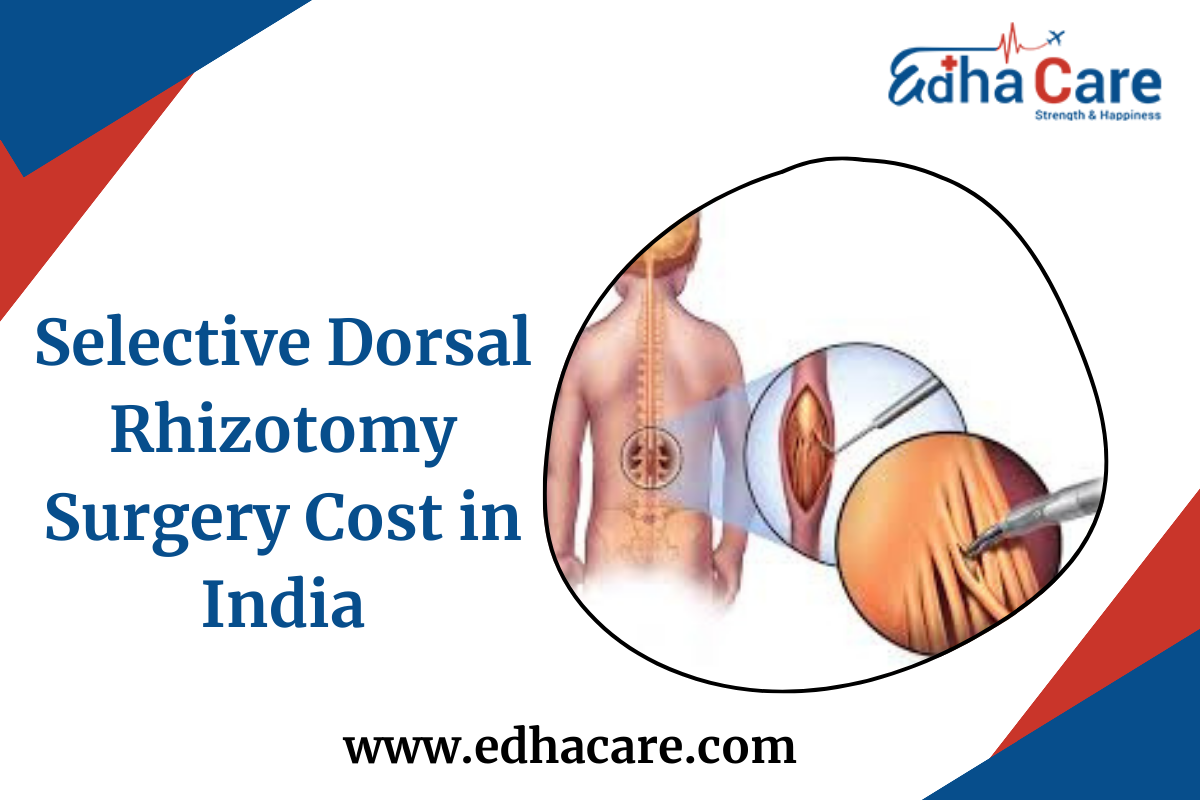
Selective dorsal rhizotomy (SDR) is a surgical procedure aimed at reducing muscle spasticity, particularly in individuals with cerebral palsy and similar neurological conditions. This innovative surgery involves the selective cutting of specific sensory nerve roots in the spinal cord to alleviate stiffness and improve mobility. While it has shown significant benefits for many patients, one of the key considerations for families contemplating SDR is the associated cost. Selective dorsal rhizotomy surgery cost in India ranges between USD 12,000 and USD 18,000.
What is Selective Dorsal Rhizotomy?
Selective dorsal rhizotomy is a specialized neurosurgical procedure aimed at reducing spasticity in individuals with cerebral palsy and other neurological conditions. This surgery primarily benefits children diagnosed with spastic diplegia, a form of cerebral palsy affecting the lower limbs. By selectively cutting problematic nerve fibers in the spinal cord, SDR enhances muscle control, facilitates movement, and improves the patient’s overall quality of life.
Spasticity arises due to disrupted brain and spinal cord communication, leading to excessive muscle tightness. This abnormal muscle tone can cause discomfort, difficulty walking, and restricted mobility. SDR helps by targeting overactive nerve roots, reducing stiffness while preserving normal motor function.
Who is a Candidate for Selective Dorsal Rhizotomy Surgery?
Not all individuals with spasticity qualify for SDR surgery. The following criteria are generally considered when determining eligibility:
- Children diagnosed with spastic diplegia who can walk independently or with minimal support.
- Patients who experience spasticity but do not have significant muscle weakness.
- Individuals who have undergone physical therapy but still face movement challenges.
- Children aged 3 to 10 years, although older candidates may also be evaluated.
- Patients with good cognitive abilities and the motivation to participate in rehabilitation.
- Individuals without severe orthopedic deformities that could hinder recovery.
A multidisciplinary team, including neurosurgeons, physiotherapists, and rehabilitation specialists, carefully evaluates each case. The assessment typically involves gait analysis, MRI scans, and muscle strength tests to determine whether SDR is a suitable option.
Step-by-Step Process of Selective Dorsal Rhizotomy
- Pre-Surgical Assessment: The patient undergoes thorough neurological and physical evaluations, including imaging tests such as MRI scans. A gait analysis may also be performed to assess muscle function and identify affected areas.
- Anesthesia and Incision: The procedure is performed under general anesthesia. A small incision (about 1-2 inches) is made in the lower back to access the spinal cord.
- Nerve Root Identification: Using intraoperative electrophysiological monitoring, surgeons identify and assess individual nerve roots to pinpoint those contributing to spasticity.
- Selective Cutting of Nerve Fibers: Only the nerve roots responsible for excessive muscle contractions are cut, preserving normal nerve function. Precision is crucial in this step.
- Closure and Recovery: The incision is closed, and the patient is monitored in the hospital for post-operative care. A typical hospital stay lasts 5-7 days, followed by intensive rehabilitation.
What are the Benefits of Selective Dorsal Rhizotomy Surgery?
Some of the benefits of SDR surgery include the following:
- Many patients experience improved walking ability and posture.
- Decreased muscle stiffness results in better comfort and ease of movement.
- Patients often gain the ability to perform daily activities with minimal assistance.
- When combined with physical therapy, SDR can provide lasting improvements in mobility.
- Addressing spasticity early can help prevent joint deformities, muscle contractures, and the need for orthopedic surgeries.
What are the Risks and Complications of Selective Dorsal Rhizotomy Surgery?
While SDR is generally safe, some risks include:
- Temporary muscle weakness following surgery.
- Numbness or sensory changes in certain areas.
- Rare occurrences of urinary or bowel dysfunction.
- Post-operative pain and risk of infection.
- Temporary instability in walking due to the sudden reduction in muscle tone.
Selecting the right candidates and ensuring expert surgical execution significantly reduce these risks. Research indicates that SDR is highly effective when performed on properly selected patients.
Post-Surgical Rehabilitation
Rehabilitation plays a critical role in achieving the best possible outcomes after SDR surgery. It includes:
- Intensive Physiotherapy: To strengthen muscles, improve balance, and enhance coordination.
- Occupational Therapy: To aid in daily activities and promote independence.
- Orthopedic Follow-ups: To monitor gait patterns and musculoskeletal development.
- Home-Based Exercises: To sustain progress, build endurance, and maintain flexibility.
Most patients require 6-12 months of intensive therapy post-SDR, with ongoing sessions recommended to maintain and further improve mobility.
What is the Cost of Selective Dorsal Rhizotomy Surgery in India?
India is becoming a popular destination for SDR surgery due to its affordability compared to Western countries. Selective dorsal rhizotomy surgery cost in India ranges between USD 12,000 and USD 18,000, depending on factors such as hospital reputation, surgeon expertise, and post-operative rehabilitation.
Estimated Cost of Selective Dorsal Rhizotomy Surgery in Major Indian Cities
| City | Cost |
| Delhi | USD 13,000 – USD 18,000 |
| Mumbai | USD 14,000 – USD 18,000 |
| Bangalore | USD 12,500 – USD 17,500 |
| Chennai | USD 12,000 – USD 16,500 |
| Hyderabad | USD 12,500 – USD 17,000 |
| Kolkata | USD 12,000 – USD 16,500 |
Why Choose India for Selective Dorsal Rhizotomy Surgery?
India has emerged as a leading destination for SDR surgery due to several advantages:
- Many hospitals have expert neurosurgeons trained internationally in SDR procedures.
- Indian hospitals are equipped with cutting-edge technology for neurosurgical interventions.
- Selective dorsal rhizotomy surgery cost in India is significantly lower compared to the US and Europe, without compromising quality.
- Leading hospitals offer dedicated post-surgical physiotherapy programs for optimal recovery.
- Patients from abroad benefit from seamless visa assistance, accommodation arrangements, and multilingual support.
Conclusion
Selective dorsal rhizotomy is a transformative surgery that offers lasting relief from spasticity and improves mobility in children with spastic diplegia. While the procedure requires careful patient selection and dedicated post-surgical rehabilitation, its benefits significantly outweigh the risks. India stands out as an excellent destination for SDR surgery due to its highly skilled surgeons, advanced medical infrastructure, and affordable healthcare. For those considering SDR, consulting a qualified neurosurgical team and rehabilitation experts is essential for achieving the best outcomes.