
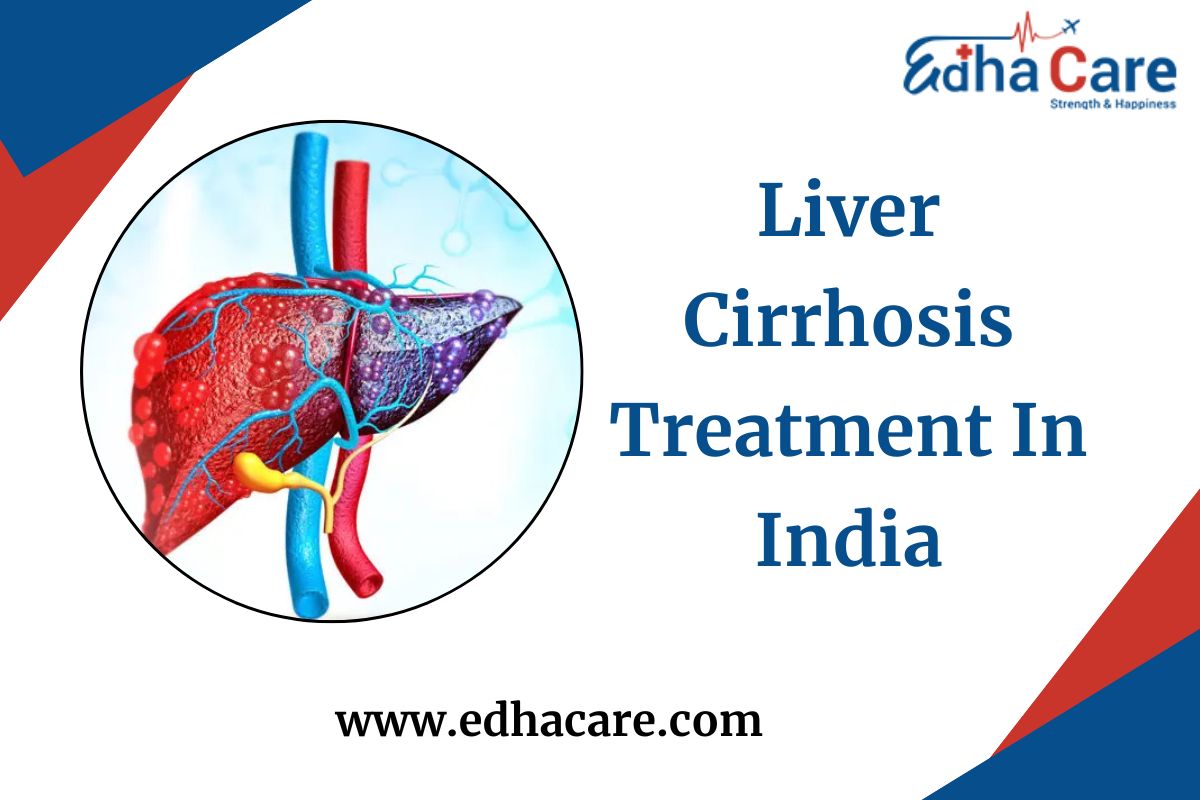
Liver cirrhosis is a chronic, progressively worsening, non-reversible disease characterized by massive fibrosis of the liver. It presents tremendous health burdens all over the world, including India. Though there is no cure, well-conceived management can slow the progression of cirrhosis, relieve symptoms, and enhance life. The present blog attempts to review liver cirrhosis treatment options in India to give the patient and the family enough information they require.
Understanding Liver Cirrhosis:
Liver cirrhosis occurs when scar tissue replaces healthy liver tissue, which causes impaired liver function due to chronic damage. Before discussing treatment, we must lay an essential foundation regarding the causes of cirrhosis. In India, some of the major causative factors are:
- Hepatitis B or C: Viral disease constitutes a major hepatic insult.
- Alcoholic Liver Disease: Damage to liver cells is caused by chronic overuse of alcohol.
- Non-Alcoholic Fatty Liver Disease: This disease is gaining prominence among obese, diabetic, and high-cholesterol patients.
- Autoimmune Hepatitis: Autoimmune attacks on the liver.
- PBC and PSC: Primary Biliary Cholangitis (PBC) and Primary Sclerosing Cholangitis (PSC) processes involving the bile ducts.
- Genetic Disorders: A few examples would be hemochromatosis and Wilson’s disease.
Liver Cirrhosis Diagnosis:
An accurate diagnosis is crucial for effective treatment. Diagnosis usually includes the following:
- Blood Tests: For liver function and screening for viral infections.
- Imaging Studies: Ultrasound, CT scan, or MRI to visualize the liver and determine any scarring.
- Liver Biopsy: A definitive procedure that involves taking out small tissue pieces from the liver for microscopic examination to confirm cirrhosis and establish the cause of cirrhosis.
- FibroScan: A non-invasive test for measuring liver stiffness.
- Endoscopy: Check for varices.
Liver Cirrhosis Treatment in India:
Treatment gives priority to the identified underlying cause, and management of complications or to improve health.
Treating the Underlying Cause:
Antiviral therapy for hepatitis B and C can slow disease progression by suppressing the virus. Alcohol abstinence is vital for alcoholic liver disease, and support groups and counseling are useful. Weight control and diabetes are important for NAFLD, and lifestyle changes and medications are typically required.
Immunosuppressant drugs suppress the immune system in autoimmune hepatitis. Drugs assist PBC and PSC with symptoms as well as slow disease progression. In the case of hemochromatosis and Wilson’s disease, chelation therapy is done to remove excess iron or copper.
Managing Complications:
The treatment of ascites includes diuretics, low sodium intake, and paracentesis. Lactulose and rifaximin manage hepatic encephalopathy. Beta-blockers, endoscopic banding, and TIPS (transjugular intrahepatic portosystemic shunting) are used to treat variceal bleeding.
Antibiotics are the cure for spontaneous bacterial peritonitis. Management of hepatorenal syndrome focuses on fluid balance and medications. Regular ultrasound and AFP (alpha-fetoprotein) testing are recommended for screening hepatocellular carcinoma.
Supportive Care and Lifestyle Modifications:
Support nutritional needs with adequate protein and non-majored calories, restrict sodium for managing ascites, and overcome deficiencies with vitamin and mineral supplements. Get vaccines against hepatitis A and B, influenza, and pneumococcal pneumonia. Exercise regularly for healthy living, and quit smoking for more liver damage.
Liver Transplantation:
This is for those at the disastrous end stage of liver disease. Liver transplant centers in India have launched, even with their experienced surgeons and multidisciplinary teams. It includes evaluating and waiting for a donor liver, and providing post-transplant care. Living donor liver transplants, like those in India, involve where part of the liver of a healthy family member being transplanted.
Choosing the Right Healthcare Provider:
- Look for experienced hepatologists and liver transplant surgeons.
- Study the infrastructure and facilities of the hospital.
- Inquire about the cost of treatment and insurance coverage.
- Take advice from the trusted sources.
Best Liver Cirrhosis Treatment Hospital In India
India provides various options for managing liver cirrhosis treatment in government hospitals, where patients can avail of treatment services at low costs, and in advanced private facilities for costlier treatments. Some hepatology-led multidisciplinary-specialized liver clinics also offer treatment programs.
- Aakash Healthcare Super Speciality Hospital
- Indraprastha Apollo Hospitals
- Fortis Hospital
- Max Super Specialty Hospital
- Global Hospital Chennai
- Kokilaben Dhirubhai Ambani Hospital
- Manipal Hospital Pune
- Medanta – The Medicity, Gurugram
- Sri Ramachandra Medical Center Hospital
- South Asian Liver Institute
Liver Cirrhosis Treatment Cost In India
The treatment costs vary with the hospital and the severity of the condition. For health insurance, some part can be covered, while the government and charities will help financially.
Liver Cirrhosis Treatment Costs in India vary broadly, with a range from 88,000 – 3,500,000. Liver transplantation is typically performed for patients with end-stage cirrhosis and commonly plays an important role in treatment, costing between 20,00,000 and 30,00,000.
Here’s a more detailed breakdown:
- Liver Resection: ₹3,15,000 to ₹4,25,000
- Liver Transplant: ₹20,00,000 to ₹30,00,000
- Hepatitis B Treatment: Cost starts from around ₹800
- Liver Cancer Treatment: Cost starts from around ₹4000- ₹4400
- Other treatments’ prices vary by condition.
Conclusion:
The treatment journey for liver cirrhosis is a bit difficult to cope with the patient because he or she would need the right kind of information and support to learn to manage their condition as best as possible and lead a better quality of life afterward. India is perhaps one of the best sources for comprehensive treatment; however, patients would achieve the best possible results through collaboration with their physicians in the healthcare setting.
Edhacare tries to provide general knowledge for liver cirrhosis treatment in India. You should consult a professional medical doctor for an accurate diagnosis and treatment.