
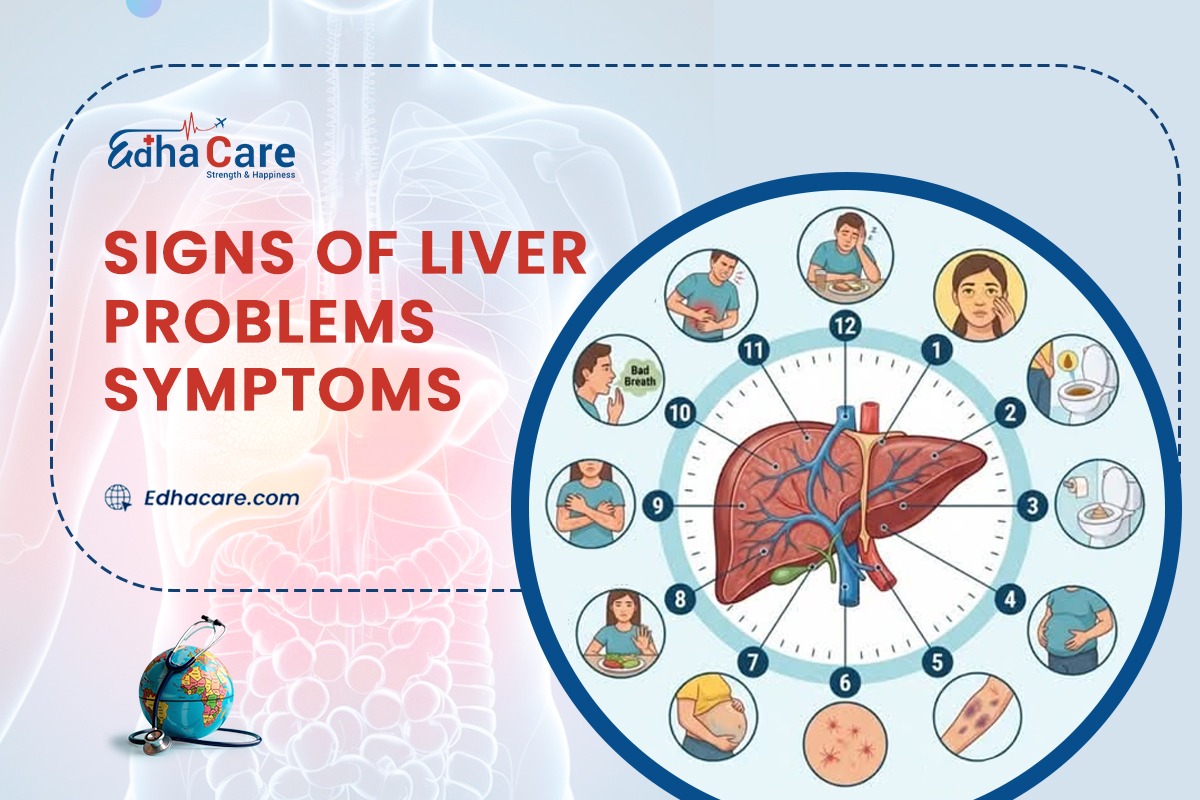
The early signs of liver problems symptoms can be easy to miss. Everyday complaints such as tiredness, nausea, or a poor appetite can have many causes. Moreover, some liver conditions cause few or no symptoms at first. However, other changes—such as yellow eyes, tea-colored urine, or a newly swollen belly—are easier to notice and deserve prompt medical attention.
If you have noticed a change in yourself or a family member, start by noting when it began. Also, check whether other symptoms appeared around the same time. Knowing which changes can wait for a routine appointment and which need urgent care can help you take the next step.
10 Early Signs of Liver Problems Symptoms to Watch For
Fatigue and appetite changes can be early signs of liver damage, although they are common with many other conditions. In contrast, fluid buildup, digestive bleeding, and sudden confusion can signal serious complications. Here is what each symptom can look like in everyday life.
1. Yellowing of the Skin or Eyes (Jaundice)
Jaundice happens when bilirubin builds up in your blood. Bilirubin is a yellow pigment your body makes as it breaks down old red blood cells. This yellowing may be easier to spot in the whites of your eyes, especially if you have darker skin. Liver inflammation and blocked bile ducts are among the possible causes. Therefore, seek urgent medical assessment if you notice new yellowing.
2. Persistent Fatigue and Weakness
You might feel drained even after a full night’s sleep. Additionally, you may find that everyday activities take more effort than usual. Persistent fatigue can occur with liver disease, though it also has many other causes. If it lasts more than two weeks, keeps returning, or disrupts your daily routine, book a doctor’s appointment.
3. Dark-Colored Urine
Urine that stays tea- or cola-colored can be a clue that bilirubin is passing into your urine. While dehydration can also darken urine, drinking water usually clears it up. If the color stays unusually dark despite drinking fluids, arrange a prompt check. Seek urgent assessment if you also notice yellow eyes or pale stools.
4. Pale, Clay-Colored, or Black, Tarry Stools
Gray or clay-colored stools can occur when too little bile reaches the intestine. If this change persists, contact a doctor promptly, especially if your urine is dark or your eyes look yellow. On the other hand, black, sticky, tar-like stools can signal bleeding in the digestive tract and need emergency care.
5. Abdominal Swelling (Ascites)
Ascites means fluid has collected inside the abdomen. As a result, you may notice that your waistline is expanding or your clothes feel tighter. Your belly may also feel unusually full or tense. New or increasing abdominal swelling needs prompt assessment. If swelling comes with a fever or new abdominal pain, seek emergency care immediately.
6. Swelling in the Legs and Ankles (Edema)
Fluid can collect in your lower legs, ankles, and feet. Consequently, it may leave deeper sock marks or make your shoes feel tight. Liver disease is one possible cause, though heart and kidney problems can also lead to swelling. Contact a doctor promptly if the swelling is new, increasing, or occurs along with belly swelling.
7. Unexplained Itchy Skin, Especially on the Palms and Soles
When bile flow slows down or becomes blocked, bile salts can irritate the skin. Itching may be strongest on the palms and soles and often worsens at night. Notably, you may itch without seeing a rash at first. If the itching persists or disrupts your sleep, book a check-up. Yellowing of the eyes or skin makes the assessment urgent.
8. Nausea, Vomiting, or a Sudden Loss of Appetite
These can be liver disease symptoms, though they also occur with common stomach illnesses. Pay close attention if you repeatedly feel sick, suddenly lose interest in food, or lose weight without trying. Seek prompt medical advice if vomiting continues or you struggle to keep fluids down. Vomiting blood or material that looks like coffee grounds is an emergency.
9. Easy Bruising or Prolonged Bleeding
The liver makes essential proteins that help blood clot properly. With significant liver damage, bruises may appear after minor bumps. Furthermore, small cuts may bleed longer than usual. Mention unexplained bruising, repeated nosebleeds, or prolonged bleeding to your doctor. Get emergency help for heavy bleeding or bleeding you cannot stop.
10. Confusion, Memory Changes, or Brain Fog (Hepatic Encephalopathy)
Advanced liver disease can affect the brain, causing a complication called hepatic encephalopathy. Often, a family member notices changes in attention, memory, sleep, or behavior first. While these changes can have several causes, liver toxin buildup is a serious concern. Get emergency care for sudden confusion, slurred speech, or unusual drowsiness that makes someone hard to wake.
Early Warning Signs vs. Emergency Red Flags
The urgency of signs of liver problems symptoms depends on which changes appear together and how quickly they develop. Use this guide to decide where to seek care:
| When to Seek Care | What to Watch For | What to Do |
|---|---|---|
| Routine doctor visit | Mild fatigue, reduced appetite, or unexplained itching that persists for more than two weeks or keeps returning | Book a primary care appointment. |
| Prompt or urgent assessment | Dark urine that persists, recurring pale stools, new swelling in the belly or legs, or new yellowing of the eyes or skin | Contact a doctor promptly. Seek same-day assessment for new jaundice. |
| Immediate emergency care | Vomiting blood, black tarry stools, sudden confusion, severe jaundice with fever, or a swollen belly with fever and new pain | Go to the nearest emergency department or call your local emergency number. |
Signs of Liver Problems Symptoms : Common Causes Behind Liver Problems
Several underlying conditions can trigger signs of liver problems symptoms over time:
- Fatty liver disease (MASLD, formerly NAFLD): Fat builds up in the liver and can lead to inflammation or scarring in some people. Type 2 diabetes and obesity increase the risk, though many people feel well in the early stages.
- Viral hepatitis (A, B, and C): All three viruses can inflame the liver. While Hepatitis A usually causes a short-term illness, Hepatitis B and C can become chronic and gradually damage the liver before symptoms appear.
- Heavy alcohol use: Drinking heavily over time can cause fat buildup, inflammation, and permanent scarring called cirrhosis. Tell your doctor how much and how often you drink so they can recommend appropriate tests and support.
- Medicines and supplements: Some prescription medicines and herbal or dietary supplements can injure the liver. Taking too much paracetamol (acetaminophen), including by combining products that contain it, can cause severe damage. Always bring a list of everything you take, including over-the-counter items.
- Autoimmune or inherited conditions: In autoimmune hepatitis, the immune system attacks the liver. Inherited conditions can also cause damage. For example, hemochromatosis causes excess iron buildup, while Wilson disease causes excess copper buildup.
When Should You See a Liver Specialist?
If you are wondering when to see a liver specialist, start with your regular doctor when mild, unexplained symptoms last more than two weeks. Ask whether you need a referral to a hepatologist or gastroenterologist if blood tests stay abnormal or scans show liver changes. Similarly, specialist care is important if you have chronic hepatitis. According to the National Institute of Diabetes and Digestive and Kidney Diseases (NIDDK), timely specialist evaluation helps prevent serious liver complications.
New yellowing of the eyes or skin always needs same-day assessment. Persistent dark urine also deserves prompt attention, especially alongside pale stools. Even if you feel well, ask your doctor about a liver check if you have type 2 diabetes, obesity, a history of heavy drinking, or a family history of inherited liver disease. Bring any previous blood tests, scans, and a list of medicines to your appointment.
Standard Diagnostic Tests for Liver Health
Your doctor may recommend one or more of these tests depending on your symptoms and risk factors:
| Test | What It Can Show |
|---|---|
| Liver function tests (LFTs) | Blood tests such as ALT, AST, bilirubin, and albumin help doctors look for liver injury, problems processing bilirubin, and changes in protein production. |
| Abdominal ultrasound | Uses sound waves to look for changes such as fat buildup in the liver, enlarged bile ducts, or fluid in the abdomen. |
| FibroScan | A quick, noninvasive scan that measures liver stiffness to help estimate scarring and fat levels in the liver. |
How EdhaCare Helps You Plan Liver Care in India
If a doctor has recommended a liver consultation or you would like a second opinion before traveling, share your recent blood tests, scan reports, and doctor’s notes with EdhaCare. Our team can help you find a liver specialist in India and arrange an online consultation so you can discuss your options before booking your trip.
- Before you travel: We can help schedule your hospital appointment and coordinate with the hospital for a medical visa invitation letter when needed.
- During your stay: Our team can help arrange airport pickup, accommodation near the hospital, and a language translator and dedicated patient care coordinator for hospital visits.
- After you return home: We can help arrange a follow-up consultation with your treating doctor so you can discuss your recovery and any tests they have requested.
Request a liver consultation with EdhaCare. Tell us where you will be traveling from and share any recent reports you have so we can help you plan the next step.
If you are vomiting blood, passing black tarry stools, or suddenly confused, go to the nearest emergency department immediately.
Can you have liver disease with normal liver function tests?
Yes. Standard liver function tests can sometimes look normal even when fatty liver or early scarring is present. Therefore, doctors often combine blood tests with an abdominal ultrasound or FibroScan.
Should I see a gastroenterologist or a hepatologist?
A gastroenterologist treats the entire digestive system, including the stomach, intestines, and liver. In contrast, a hepatologist specializes specifically in liver, gallbladder, and bile duct diseases.