
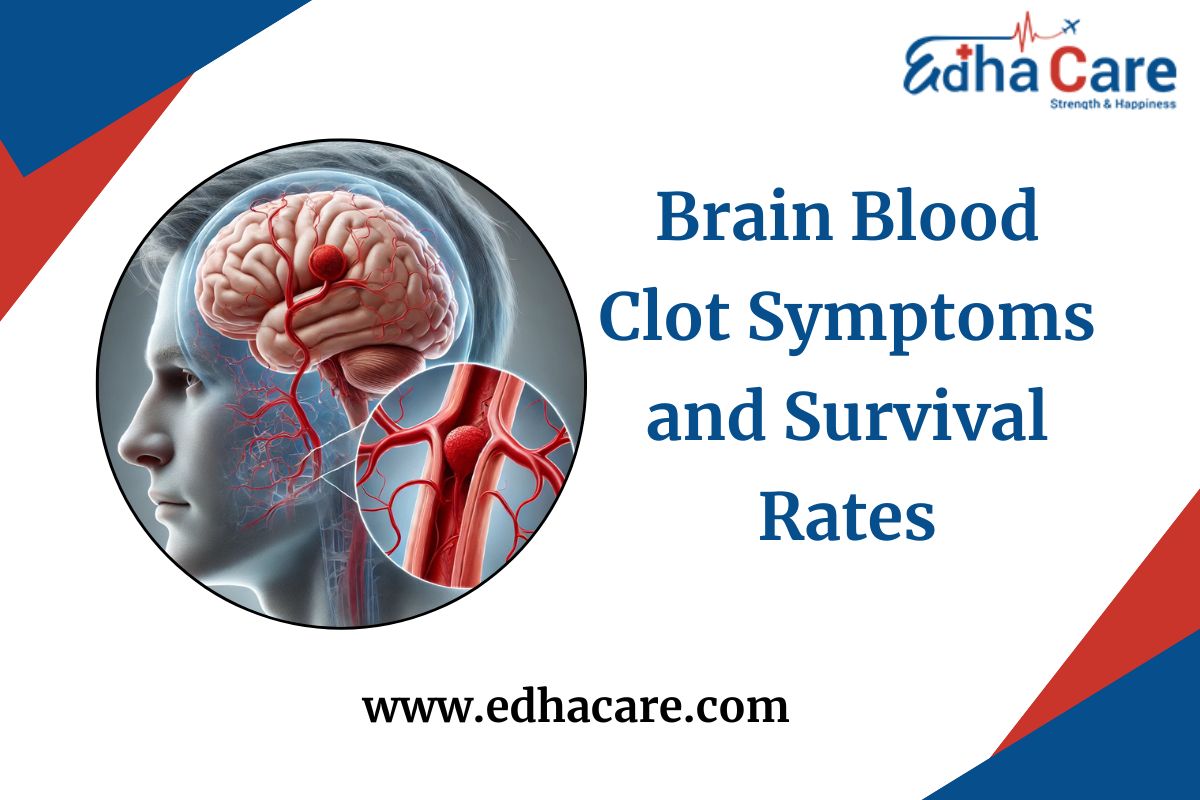
A severe medical emergency refers to the presence of a blood clot in the brain, known as cerebral venous sinus thrombosis (CVST) or ischemic stroke. The clot would consequently obstruct blood from entering the brain, leading to complications that may be fatal. However, knowing its symptoms and their corresponding survival rate becomes essential in the immediate diagnosis and treatment of either of the conditions. This blog seeks to establish a basis of understanding of brain blood clots, giving you knowledge that may save a life.
How Do Brain Blood Clots Occur?
Brain blood clots occur when blood coagulates within vessels in the brain to impede the flow of oxygen and nutrients. This occurs most commonly in two ways: in Ischemic Stroke, a clot forms in an artery supplying blood to the brain, or a clot may dislodge somewhere else, traveling to occlude an artery. Meanwhile, in Cerebral Venous Sinus Thrombosis (CVST), the clot forms in sinuses that drain the brain. In this case, they obstruct venous drainage, increasing intracranial pressure and possibly leading to bleeding into the brain.
Other factors leading to vascular accidents in the brain include atherosclerosis, atrial fibrillation, high blood pressure, high cholesterol levels, diabetes, and smoking, along with certain conditions, such as blood clotting disorders.
Brain Blood Clot Symptoms
Symptoms of a blood clot may differ depending upon the site of the clot and the extent of the blockage. Early recognition and obtaining immediate medical care are essential for a better outcome. Common symptoms include:
- Sudden & Severe Headache: Usually called “the worst headache of my life.”
- Weakness or Numbness: Especially on one side of the body.
- Difficulty Talking or Understanding Speech (Aphasia): Slurred Speech or Difficulties Finding Words.
- Problems with Vision: Blurred Vision, Double Vision, or Loss of Vision in One Eye or Both.
- Dizziness or Balance Problems: Trouble Walking or Coordinating Movement.
- Seizures: Uncontrollable Muscle Contractions or Convulsions.
- Nausea and Vomiting: Often Along with Other Neurological Signs.
- Confusion or Altered Mental State: Difficulty Thinking Clearly or Disorientation.
- Loss of Consciousness: In Severe Cases.
- Neck Stiffness: Especially in CVST.
Detecting the symptoms of a blood clot in the brain is vital in taking immediate medical interventions. It is better to remember the acronym FAST, which stands for the following recognized warning signs:
- F (Face Drooping): One side of the face may droop or feel numb. Ask the person to smile and check whether the smile is uneven.
- A (Arm Weakness): One arm may be weak or numb. Ask the person to raise both arms. Does one arm drift downward?
- S (Speech Difficulty): Speech difficulty. The speech is slurred or difficult to understand. Ask the person to repeat a simple sentence.
- T (Time to call help): If you notice any of these signs, even if they go away, call for emergency help right away. Time is everything.
Understanding Survival Rates
The mortality rate from blood clots in the brain differs according to the different types of blood clots in the brain and from strokes.
Ischemic Stroke Survival Rates:
Those have improved a lot due to treatment advancements. Nonetheless, strokes continue to top the long list of causes of long-term disability. The most critical days and weeks after a stroke are when the chance for complication is greatest. In a way, with medical interventions, the overall 30-day survival rate for ischemic strokes is about 80-90%, although this varies depending on the severity of a stroke.
CVST Survival Rates:
Generally, CVST does have a better prognosis regarding early diagnosis. The therapy might very well optimize the outcome, rather than what ischemic stroke has. Usually, CVST is managed by a very high percentage of all survivors; around 80% of the people contracted are often cured with these methods. Some people, however, can endure long-term complications, such as seizures or cognitive deficits.
Factors Affecting Survival Rates
Many factors define the survival rates for blood clots in the brain. These include:
- Time to Treatment: Timely treatment improves survival and recovery rates. The saying states that ‘Time is brain’, and this emphasizes the immediate action necessary by health professionals.
- Severity of Stroke: If not smaller, the clot size determines the severity of stroke. The worst outcomes are accounted by hi-clots and prolonged periods of oxygen deprivation.
- Location of the Clot: Some areas of the brain expose certain clots to more damage than others.
- Age and Health Condition: The younger a person is with fewer health conditions typically enjoys excellent outcomes.
- Treatment Types: Treatment may involve medication or the use of mechanical thrombectomy. These codes are often effective on a per-case basis.
- Post-Stroke Rehabilitation: A vital component of recovery is post-stroke rehab. Most of the things that are lost are reversible through intensive rehabilitation.
Treatment Options for Brain Blood Clot
- Thrombolytic Therapy (TPA): It is an agent that dissolves blood clots and must be given within a few hours from the onset of symptoms.
- Mechanical Thrombectomy: This requires inserting a catheter into the affected artery to remove the blood clot. It is usually used for cases of large clots.
- Medications: After a stroke, the patient may be prescribed medications to manage the risk factors and prevent future clots.
- Rehabilitation: It would include activities for physical therapy, occupational therapy, and speech therapy, which are essential to recover and improve quality of life.
- Management of risk factors: Control of blood pressure, cholesterol, and other risk factors that prevent future clots.
Prevention
Preventing blood clots in the brain mainly involves the modification of risk factors and changing personal habits. It includes all of the following:
- Maintaining healthy body weight
- Balanced nutrition
- Regular form of exercise
- No smoking
- Blood pressure and cholesterol control
- Diabetes control
- Prompt medical attention of symptoms of stroke or CVST
Conclusion
Brain blood clots are emergencies that need immediate medical attention. The recognition of symptoms under the acronym FAST seeks to improve survival rates and reduce long-term disability by seeking prompt medical attention. Knowing the risk factors, treatment modalities, and prevention gives people the strength to take proactive measures against the health of their brains. Seconds count when it comes to a brain blood clot. If you or your loved one has been diagnosed with a blood clot in the brain, then consult EdhaCare.