
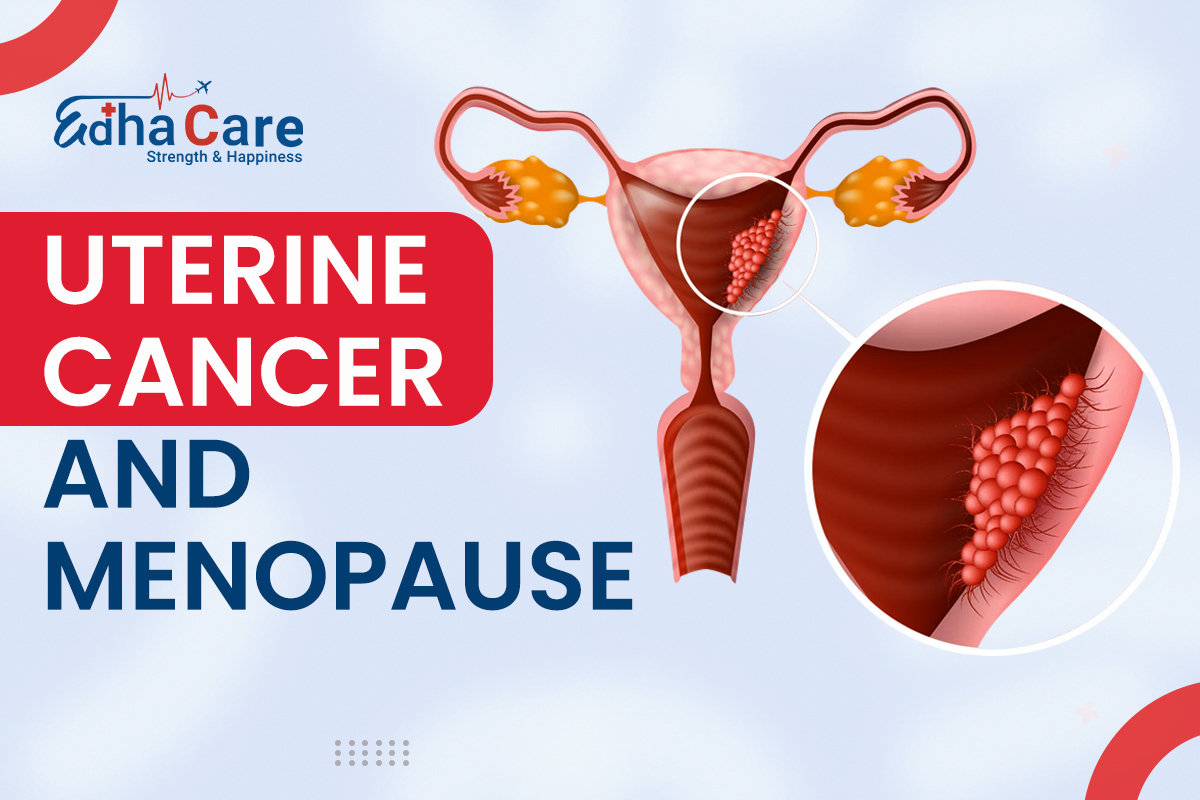
Uterine cancer is one of the most common gynecological cancers affecting women worldwide. While it can occur at any age, it is most frequently diagnosed in women who have already gone through menopause. For many women, menopause marks a significant life transition, bringing an end to monthly periods and hormonal changes that influence overall health. But few are aware that it also marks a period where the risk for certain cancers, particularly uterine cancer, increases.
Understanding the relationship between menopause and uterine cancer is vital for early detection, better prevention, and informed healthcare choices.
What is Uterine Cancer?
Uterine cancer begins in the uterus, the hollow, pear-shaped organ in a woman’s pelvis where a baby grows during pregnancy. There are two main types of uterine cancer:
- Endometrial Cancer: This is the most common form, accounting for more than 90% of cases. It starts in the lining of the uterus called the endometrium.
- Uterine Sarcoma: A rarer and more aggressive form that begins in the muscles or other tissues of the uterus.
It is the fourth most common cancer in women after breast, lung, and colorectal cancer. The average age of diagnosis is 60 years, and most cases are found in postmenopausal women.
Why Uterine Cancer is Common in Postmenopausal Women?
After menopause, women stop producing progesterone, a hormone that helps balance estrogen levels. If estrogen continues to act on the endometrial lining unopposed by progesterone, it can lead to excessive thickening of the uterine lining. This further increases the risk of abnormal cell growth and, eventually, cancer.
Understanding Menopause
Menopause is defined as the permanent cessation of menstruation for 12 consecutive months, marking the end of a woman’s reproductive years. It usually occurs between the ages of 45 and 55, with the average age being around 51.
Hormonal Changes
During menopause, the body undergoes several hormonal shifts:
- Estrogen levels drop, but not uniformly.
- Progesterone levels decrease significantly and permanently.
- Follicle-stimulating hormone (FSH) increases as the ovaries stop releasing eggs.
Effects on Reproductive Organs
The reduced hormone levels, especially of progesterone, affect the uterus by thinning the endometrial lining. However, persistent estrogen stimulation without balancing progesterone (whether due to obesity, medications, or hormone therapy) can lead to abnormal endometrial changes, setting the stage for uterine cancer.
How is Menopause Linked to Uterine Cancer?
The link between uterine cancer and menopause is explained in detail below:
Decreased Progesterone vs. Persistent Estrogen Exposure
In premenopausal women, estrogen builds up the uterine lining, and progesterone sheds it through menstruation. But after menopause, the lack of progesterone and sometimes continued estrogen exposure (from body fat, medications, or hormone therapy) may cause abnormal thickening of the endometrium.
Why Postmenopausal Bleeding is a Red Flag?
Any vaginal bleeding after menopause is not normal. Even light spotting can indicate changes in the uterine lining that warrant immediate investigation. About 10% of women who experience postmenopausal bleeding are found to have endometrial cancer.
Hormone Replacement Therapy (HRT) and Cancer Risk
- Estrogen-only HRT (usually prescribed for women who have had a hysterectomy) can increase the risk of uterine cancer if used in women who still have their uterus.
- Combined estrogen-progesterone HRT has a lower risk but may still contribute to hormonal imbalance if not carefully monitored.
Symptoms of Uterine Cancer in Postmenopausal Women
Catching symptoms early can be life-saving. Common warning signs include:
- Abnormal vaginal bleeding: This is the most common symptom. It may be light spotting or heavy bleeding, and even one episode after menopause should be checked.
- Pelvic pain or pressure: Ongoing pain or a feeling of fullness in the pelvis can indicate growth in the uterus.
- Unusual vaginal discharge: Watery, pink, or foul-smelling discharge should not be ignored.
- Pain during intercourse or urination, though less common, can also be a warning sign.
Importance of Early Detection
When detected early, uterine cancer has a five-year survival rate of more than 80%. Delays in seeking medical advice often lead to progression to more advanced stages.
Risk Factors to Be Aware Of
Several conditions and lifestyle factors increase the risk of uterine cancer, particularly after menopause:
Obesity and Insulin Resistance
- Fat tissue converts other hormones into estrogen, leading to higher estrogen levels in obese women.
- Obesity is linked to a 2 to 4 times higher risk of endometrial cancer.
- Insulin resistance, common in type 2 diabetes, may also promote abnormal cell growth.
Family History and Genetics
- A family history of uterine, colon, or ovarian cancer can indicate a genetic predisposition, especially Lynch syndrome.
- Women with Lynch syndrome have a 40–60% lifetime risk of uterine cancer.
Estrogen-Only HRT
- Increases risk of endometrial cancer by 2–10 times, especially when used long-term without progesterone.
Late Menopause or Never Being Pregnant
- More menstrual cycles mean longer estrogen exposure, raising the risk.
- Pregnancy and breastfeeding lower the number of cycles and therefore the risk.
When to See a Doctor?
Women should be vigilant about any new symptoms after menopause. Keep a record of bleeding, discharge, or pelvic discomfort and communicate any concerns during gynecologic visits.
Diagnostic Tools
Doctors may use the following to detect uterine cancer:
- Transvaginal ultrasound (TVUS): Measures endometrial thickness.
- Endometrial biopsy: The Gold standard for diagnosing endometrial cancer.
- Hysteroscopy or Dilation & Curettage (D&C): Used if biopsy is inconclusive.
- MRI or CT scans: For staging or if cancer is confirmed.
Even after menopause, women should continue seeing their gynecologist regularly. A yearly pelvic exam can help detect abnormalities early.
Uterine Cancer After Menopause: Can it be Prevented?
Uterine cancer after menopause can be prevented by making some common lifestyle changes. Some of these are mentioned below:
Lifestyle Modifications
- Maintain a healthy weight: Losing even 5–10% of body weight can reduce estrogen levels.
- Exercise regularly: Aim for 150 minutes of moderate aerobic activity per week.
- Balanced diet: High in fiber, vegetables, and lean protein. Avoid excess sugar and saturated fats.
Reviewing HRT with Your Doctor
- If HRT is needed, combined estrogen-progesterone therapy is generally safer for the uterus.
- HRT should be used at the lowest effective dose for the shortest duration.
Importance of Timely Diagnosis and Treatment
Early diagnosis allows for minimally invasive treatments and better outcomes. Most cases are treated with surgery (hysterectomy), and some may require radiation or chemotherapy based on the stage.
Conclusion
Menopause is a natural phase of life, but it comes with increased risks that women should be aware of. Uterine cancer after menopause is one such risk that one should be especially aware of. Hormonal changes after menopause, particularly unopposed estrogen, play a crucial role in the development of this disease. By recognizing symptoms like postmenopausal bleeding, understanding risk factors, and regularly consulting with healthcare providers, women can take charge of their health. Awareness, prevention, and early detection save lives.
Don’t ignore your body. If you have gone through menopause and notice symptoms like bleeding, pain, or discharge, consult your doctor immediately. With increased awareness, healthy habits, and timely medical care, uterine cancer after menopause can often be prevented or caught and treated early for the best outcomes.
Consult EdhaCare if you are looking for uterine cancer treatment.
Frequently Asked Questions (FAQ)
Is uterine cancer after menopause more common?
Yes. Most uterine cancers, especially endometrial cancer, are diagnosed in postmenopausal women, usually around the age of 60.
Can you get uterine cancer years after menopause?
Absolutely. Uterine cancer can develop even 10–20 years after menopause. That’s why any unusual vaginal bleeding should always be reported to a doctor, no matter how long it’s been since menopause.
What kind of bleeding is worrisome after menopause?
Any vaginal bleeding, light spotting, pink or brown discharge, or heavy flow is abnormal and should be checked. There’s no such thing as normal bleeding after menopause.