
Donating bone marrow is a life-saving act of kindness that offers hope to people suffering from severe blood disorders. These include leukemia, lymphoma, sickle cell anemia, or aplastic anemia. While the idea of donation might seem daunting, the process is straightforward, safe, and deeply rewarding. Here is a comprehensive guide to help you understand how to donate bone marrow and the steps involved.
What Is Bone Marrow and Why Is It Important?
Bone marrow is a soft, spongy tissue that is found inside bones like the hip and thigh bones. It produces vital blood cells, including the following:
- Red Blood Cells (RBCs): RBCs are responsible for carrying oxygen throughout your body.
- White Blood Cells (WBCs): WBCs are essential for fighting infections and keeping your immune system strong.
- Platelets: Platelets help in blood clotting to prevent excessive bleeding.
The World Marrow Donor Association (WMDA) reported that there were 44.1 million potential stem cell donors (not including cord blood units) registered at the close of 2023.
If someone is suffering from any blood disorder, life-threatening conditions may occur where the body cannot produce healthy blood cells. This happens because the bone marrow stops functioning properly. In such cases, a bone marrow transplant comes into play. In the bone marrow transplant procedure, damaged/diseased bone marrow is replaced with healthy cells. This further results in curing the blood disorder.
Who Needs Bone Marrow Donation?
Bone marrow donation can prove to be very important for patients with the following:
- Leukemia – Type of cancer affecting blood and bone marrow
- Lymphoma – Cancer of the lymphatic system
- Aplastic anemia – Rare condition where bone marrow stops producing enough blood cells
- Sickle cell anemia – A genetic disorder causing red blood cells to change their shape into a sickle.
- Other genetic disorders – Such as severe combined immunodeficiency (SCID)
If you decide to donate your bone marrow, you can give these patients a second chance at life.
How to Become a Bone Marrow Donor?
Becoming a bone marrow donor is a straightforward process and it begins with a few simple steps. These steps include the following:
Step 1: Register As A Donor
To donate bone marrow, you must first join a donor registry. These registries maintain a database of potential donors who are ready to help when a match is found.
Follow the given steps to register:
- Visit the registry’s website or attend a donor drive event.
- Fill out an application form with your basic details like name, age, and medical history.
- Provide a cheek swab sample. This sample is used to determine your Human Leukocyte Antigen (HLA) type which is a key factor in matching donors and patients.
Registration is quick, free, and painless. Once registered, your HLA type will be stored in the database until you are 60 years old or you decide to withdraw.
Step 2: Wait For a Match
Finding a match depends on the compatibility of HLA markers. Patients are most likely to match donors of the same ethnic background, making diversity in registries essential. Matches can take weeks, months, or even years to occur.
If you are identified as a potential match, you will be contacted for further testing. This step ensures that your tissue type is a perfect match for the patient.
Step 3: Undergo Pre-Donation Testing
Once a match is confirmed, you will be asked to undergo medical tests to ensure that you are healthy enough to donate. These tests include:
- Blood tests to check for infections or other health issues.
- A thorough physical examination to confirm your fitness for donation.
Before donating, the medical team will explain every step and address any concerns that you may have. Your safety will be the top priority.
What Are the Methods of Bone Marrow Donation?
There are two main methods to donate bone marrow:
1. Peripheral Blood Stem Cell (PBSC) Donation
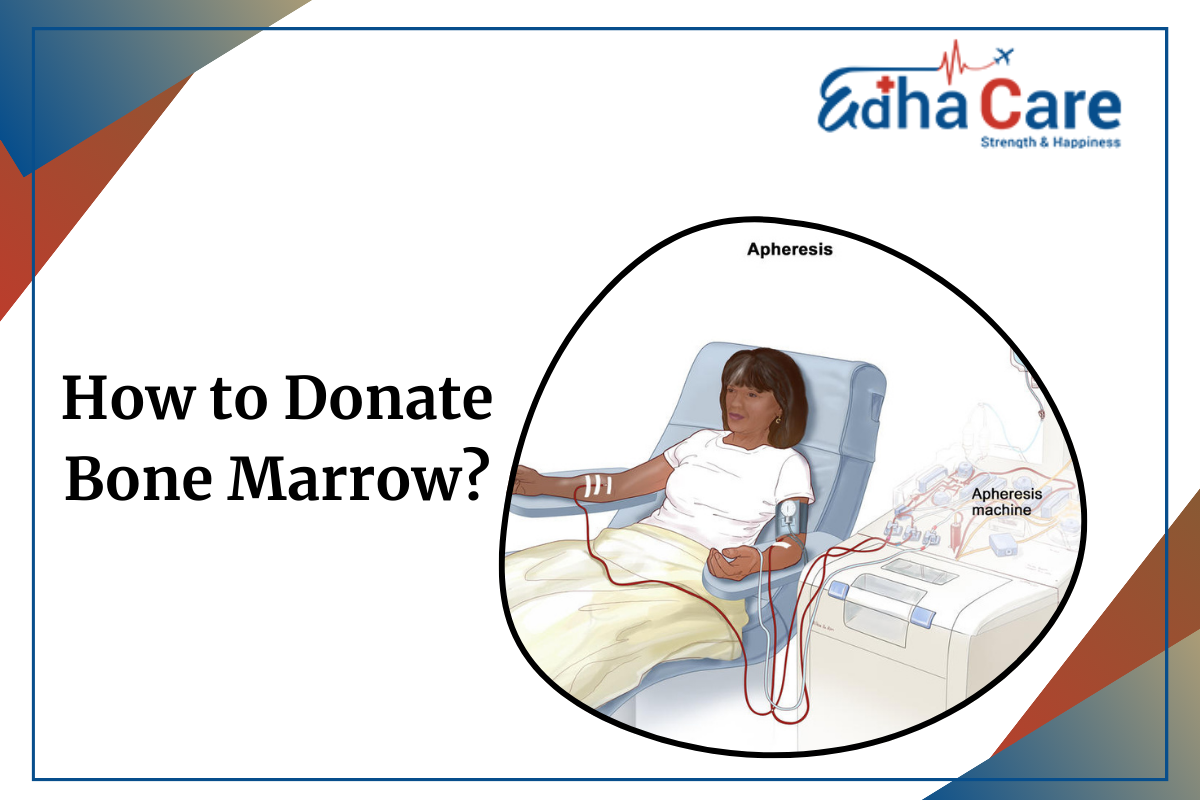
PBSC donation is the most common method today. It is a non-surgical process that involves drawing stem cells from your blood. You will take medication for five days before the procedure. This medication will boost the number of stem cells in your bloodstream. During the procedure, blood will be drawn from one of your arms and passed through a machine that separates the stem cells. The rest of your blood is returned to your body through the other arm. The process usually takes 4-6 hours and may require multiple sessions.
Filgrastim may have some mild side effects which may include fatigue or bone pain. These side effects will be resolved shortly after the donation procedure is complete.
2. Bone Marrow Harvest
Bone marrow harvest involves surgically extracting liquid marrow from your pelvic bone under general anesthesia. During the procedure, a needle is used to withdraw marrow from the back of your pelvic bone. The procedure takes 1-2 hours. You won’t feel pain during the procedure but may experience soreness at the extraction site afterward. Most donors resume normal activities within a week.
Although both methods are safe and equally effective, the choice of method depends on the patient’s needs. Depending on the patient’s healthcare requirements, the doctor will decide the best way to opt for it.
Donation Day
On the scheduled donation day, you will visit a hospital or specialized clinic. The medical team will guide you through the process, ensuring you are comfortable throughout.
For PBSC donation, you will sit in a chair with needles in both arms. A machine will extract and process your blood to collect stem cells. For bone marrow harvest you will be under anesthesia during the procedure and may stay overnight for observation.
Recovery After Donation
Recovery times vary by donation method:
- PBSC Donation: Most donors feel fine within 1-2 days. Minor side effects like fatigue or headaches may occur but typically they resolve quickly.
- Bone Marrow Harvest: You may feel sore or tired for a few days. Full recovery usually takes about a week.
Your body will naturally replenish the donated cells within 4-6 weeks.
Why Donate Bone Marrow?
Donating bone marrow is one of the most selfless acts a person can perform. Here is why it matters:
- Your donation could be the only hope for a patient in need.
- Modern medical techniques make donation safe and straightforward.
- Knowing you have helped someone survive is deeply rewarding.
- With diverse registries, more lives can be saved worldwide.
To Conclude
Every year, thousands of patients wait for a matching bone marrow donor. Unfortunately, many never find one. By registering as a donor, you could be the match that saves a life. Take the first step by joining a bone marrow registry today. Spread awareness by encouraging others to register and share your experience. Together, we can bring hope to those in need and make a lasting impact on countless lives.
Donating bone marrow is more than a medical procedure, it’s a gift of life. Be the hero someone is waiting for.
FAQs (Frequently Asked Questions)
What are the requirements for bone marrow donation?
To be eligible to donate bone marrow, you must be between the ages of 18 and 60, in good general health, and meet certain weight and height requirements. You will also need to undergo a medical evaluation to ensure that you are healthy enough to donate.
Is it painful to donate bone marrow?
No, it’s not painful to donate bone marrow. Bone marrow donation is a safe and minimally invasive procedure that is typically performed under general anesthesia. This means that you will be asleep during the procedure and will not feel any pain. After the procedure, you may experience some soreness or discomfort for a few days, but this is usually mild and can be managed with over-the-counter pain medication.
Is donating bone marrow a big procedure?
Donating bone marrow is a relatively simple procedure that can be done in a day or two. Depending on the type of bone marrow donation, it can take up to 5-6 hours.
How much money do you get from donating bone marrow?
You do not receive any money for donating bone marrow. Bone marrow donation is a selfless act that is done to help others in need.
Is bone marrow transplant 100% successful?
No, bone marrow transplants are not 100% successful. However, they can be a very effective treatment for a variety of blood cancers and other diseases. The success rate of a bone marrow transplant depends on a number of factors, including the type of disease being treated, the health of the patient, and the compatibility of the donor and recipient.
Can you live 20 years after a bone marrow transplant?
Yes, it is possible to live a long and healthy life after a bone marrow transplant. However, it is important to note that bone marrow transplant recipients are at increased risk for certain health problems, such as infection, graft-versus-host disease, and cancer. It is important to work with your healthcare team to manage these risks and maintain your overall health.