
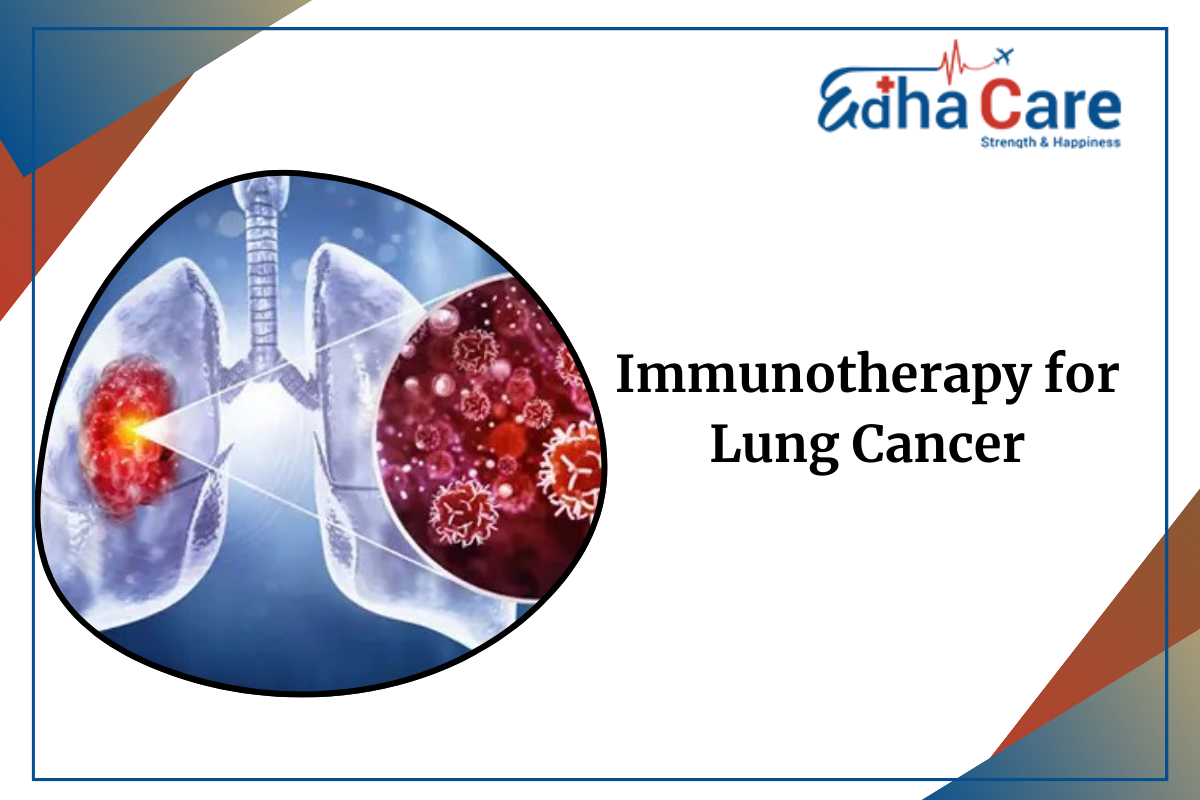
Globally, lung cancer is known as one of the deadliest solid cancers and the number one cause of cancer-related mortality. Almost 95% of lung cancers are classified as either non-small cell lung cancer (NSCLC) or small cell lung cancer (SCLC). With advancing stage, survival decreases progressively down to four months in stage IV disease, so early intervention is important. Chemotherapy has been known to be the primary treatment of lung cancer but its benefits have reached their limit so new forms of treatment are required now. Among the new treatments, immunotherapy for lung cancer has been offered with a revolutionary approach.
Immunotherapy has fewer side effects than chemotherapy. Additionally, it is shown to prolong patients’ survival and improve their quality of life. Immunotherapy is safe and effective, and it presents a potential strategy for the treatment of lung cancer. Immunotherapy strategies are safe and effective and may provide alternative treatment options for NSCLC. Sometimes, a combination of multiple therapies or treatment strategies may also be preferred.
Immunotherapy strategies include various methods, such as immune checkpoint inhibitors (ICIs), cancer vaccines, and cellular immunotherapies. All of these aim to establish or enhance effective immune reactions against tumors.
What is Lung Cancer?
Lung cancer is a type of cancer that begins in the lungs. It occurs when abnormal cells in the lung tissue grow uncontrollably and form a tumor. These abnormal cells can spread to other parts of the body, which is known as metastasis.
What are the Types of Lung Cancer?
There are two primary types of lung cancer, based on the appearance of the cells under a microscope and their behavior:
Non-Small Cell Lung Cancer (NSCLC)
It is the most common type, accounting for about 85% of all lung cancer cases. It generally grows and spreads more slowly than small-cell lung cancer.
Small Cell Lung Cancer (SCLC)
SCLC is more aggressive but less common than NSCLC. It accounts for about 10-15% of lung cancers. SCLC is strongly associated with smoking and typically begins in the central parts of the lungs (near the bronchi). This type of cancer grows rapidly and often spreads to other parts of the body at an early stage.
What are the Symptoms of Lung Cancer?
Symptoms of lung cancer may not appear until the disease is advanced. Some common symptoms of lung cancer may include the following:
- Persistent cough
- Chest pain
- Shortness of breath
- Coughing up blood (hemoptysis)
- Fatigue
- Unexplained weight loss
- Wheezing
- Recurrent respiratory infections (like pneumonia or bronchitis)
Treatment of Lung Cancer
The initial treatment for lung cancer depends on several factors, including the type of cancer (NSCLC or SCLC), the patient’s age, the location and spread of the disease, tolerance to medications, and personal preferences.
Treatment options for lung cancer include the following:
- Surgery
- Radiation therapy
- Chemotherapy
- Targeted therapy for lung cancer
- Immunotherapy for lung Cancer
- A combination of these treatments
For non-small cell lung cancer (NSCLC):
- Surgery is usually the first step, especially for early-stage tumors.
- For larger tumors or cancer that has spread to nearby lymph nodes, doctors often recommend a combination of surgery, chemotherapy, and radiation therapy.
For small cell lung cancer (SCLC):
- Chemotherapy and radiation therapy are the main treatments.
- Surgery may be an option for early-stage cases but is generally not used in advanced stages.
Immunotherapy for lung cancer is one of the most exciting developments in its treatment. It boosts the immune system’s ability to detect and destroy cancer cells. It is especially promising for lung cancer patients and is often used alone or alongside other treatments.
Immunotherapy: A Game-Changer in Lung Cancer Treatment
Unlike traditional treatments, immunotherapy trains the body’s natural defenses to fight cancer. It is less likely to harm healthy cells and offers hope to patients who may not respond well to chemotherapy or radiation.
Key Immunotherapy Strategies
Know, what is important for the immunotherapy strategies;
Non-Specific Immunotherapies
Non-specific immunotherapies include cytokines. Cytokines are proteins that help boost the immune response and are increasingly being used against lung cancer.
Monoclonal Antibodies (mAbs)
Monoclonal antibodies (mAbs) are specially designed proteins that target specific molecules in cancer cells. They can block signals that help cancer grow or mark cancer cells for destruction by the immune system.
Cancer Vaccines
Cancer vaccines work by stimulating the immune system to fight cancer cells more effectively. These are being explored as a promising method for treating malignant tumors.
Adoptive Cell Therapy (ACT)
Adoptive cell therapy (ACT) technique involves using the patient’s immune cells (such as T cells) to attack cancer. There are three types of ACT, including:
- Tumor-infiltrating lymphocytes (TILs) are extracted from the tumor and trained to fight cancer.
- T Cell Receptor-Engineered (TCR-T) Cells are genetically modified T-cells that target specific cancer proteins.
- Chimeric Antigen Receptor T (CAR-T) Cells are genetically engineered T-cells designed to attack cancerous cells. While CAR-T therapy shows promise, its success in NSCLC has been limited so far.
Oncolytic Virus Therapy
This innovative approach uses genetically modified viruses to infect and destroy cancer cells while sparing healthy ones.
Prevention of Lung Cancer
Preventing lung cancer primarily focuses on avoiding risk factors, especially smoking. Do the following to prevent the development of lung cancer:
- Quit smoking and avoid exposure to secondhand smoke.
- Avoid exposure to carcinogens such as radon and asbestos.
- Get regular checkups if you’re at high risk, especially if you have a history of smoking or exposure to harmful substances.
- Follow public health recommendations for air quality and environmental health.
Conclusion
Although not all immunotherapy options work equally well for every patient, ongoing research is improving their effectiveness, particularly for lung cancer. By combining these therapies with traditional approaches, doctors can offer better outcomes and improve the quality of life for lung cancer patients. Immunotherapy for lung cancer is a safe and effective treatment method. Compared to traditional chemotherapy drugs, immunotherapy has extended patients’ survival, yet primary and secondary drug resistance is still prevalent.
FAQs
How successful is immunotherapy for lung cancer?
Immunotherapy has shown promising results in treating lung cancer, particularly non-small cell lung cancer (NSCLC). Success rates vary based on individual factors, but it can significantly improve survival and quality of life in patients who respond to it.
At what stage of lung cancer is immunotherapy used?
Immunotherapy is primarily used in advanced stages (Stage 3 and Stage 4) of lung cancer, particularly for NSCLC. It is commonly used when the cancer is metastatic or unresectable. In earlier stages, it may be used adjuvantly after surgery or chemotherapy if there is a high risk of recurrence.
Is lung cancer curable with immunotherapy?
Immunotherapy can result in long-term remissions in some patients, and some patients with advanced NSCLC experience durable responses.
What is the best immunotherapy drug for lung cancer?
The most common and effective immunotherapy drugs for lung cancer are checkpoint inhibitors such as pembrolizumab (Keytruda), nivolumab (Opdivo), and atezolizumab (Tecentriq). Your doctor will decide the best drug for you depending on your individual medical requirements.
Can immunotherapy cure stage 4?
While immunotherapy can significantly improve outcomes for stage 4 lung cancer, including prolonged survival and quality of life, it does not typically offer a cure. However, some patients have been reported to experience long-term remission, and substantial tumor shrinkage and stabilization have been reported in others.
Is immunotherapy better than chemotherapy?
Immunotherapy is generally preferred over chemotherapy for many lung cancer patients due to its targeted mechanism, lower toxicity, and ability to provide longer-lasting benefits. The choice depends on the cancer’s specific characteristics and the patient’s condition.