
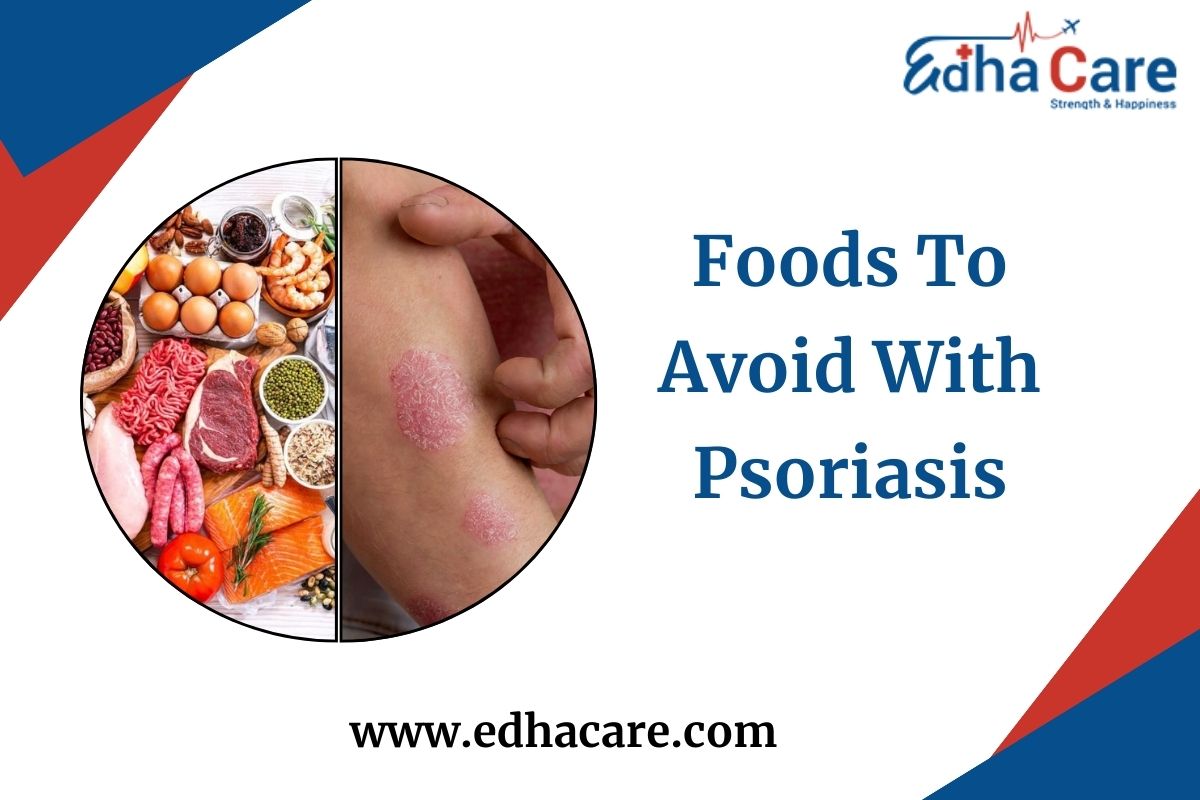
Psoriasis is a chronic autoimmune ailment characterized by scaly, red, and itchy patches on the skin. While psoriasis is incurable, managing the triggers and symptoms of this condition is essential to living a comfortable life. Food can either cause inflammation or help in the healing process, and certain foods may aggravate psoriasis symptoms for some people. Identifying and avoiding potential triggers may reduce symptoms and thus be a powerful aid in managing your disease. Here is a blog post that sheds light on 9 foods to avoid with Psoriasis, allowing you to make informed dietary decisions that can help your skin health.
List of 9 Foods To Avoid With Psoriasis
Each person has a different experience with psoriasis. Something that triggers one person may not affect another. Armed with this information, your best approach would be to try and find a dermatologist or allergist who can identify your specific triggers and assist with your unique management plan.
1. Nightshade Vegetables:
Nightshades belong to the family of flowering plants and include tomatoes, potatoes, peppers (bell peppers, chili peppers, paprika), and eggplants. They have compounds, including solanine, which are thought by some to exacerbate inflammatory conditions in vulnerable individuals. Research linking nightshades to psoriasis has been quite limited, but many who have psoriasis claim that avoiding them instigates relief to their symptoms.
Such gut inflammation could be a factor in autoimmune diseases such as psoriasis. Be adventurous: Just for a short time, say two or three weeks, eliminate nightshades. If you see a change in your symptoms for the better, you may reintroduce them one at a time to pinpoint any specific triggers.
2. Gluten:
Gluten from wheat, barley, and rye can potentially contribute to inflammation and autoimmune response. Psoriatic individuals might be considered at an even higher risk of gluten sensitivity or celiac disease, an autoimmune disease that is provoked by gluten.
In some people, gluten worsens inflammation, resulting in flare-ups of psoriasis. Get tested for celiac disease or gluten sensitivity. If gluten is suspected as a trigger for psoriasis, a gluten-free diet should be considered with the help of a qualified health professional.
3. Dairy:
Dairy foods, especially cow’s milk, can create difficulties for some people with psoriasis. These contain casein and lactose, which can initiate inflammation or sometimes allergy-like reactions in sensitive individuals.
Dairy can increase gut inflammation and may worsen some skin issues for people with psoriasis. Try removing it for some time to see if the symptoms improve. Other options are almond, soy, or coconut milk.
4. Red Meat:
Red meat, especially processed forms, is found to be excessive and saturated with fats. They also end up providing arachidonic acid associated with red meat and playing a part in the inflammatory process.
Because of the high saturated fat content, with arachidonic acid provided within red meat, there are chances of inflammation that can probably worsen the symptoms of psoriasis as well. Avoid red meat as much as possible, especially processed meat. Choose leaner protein sources like poultry, fish, or plant proteins.
5. Processed Foods:
All types of processed foods are stuffed and packed with numerous unhealthy fats, added sugars, and artificial additives, so they can cause inflammation and wreak havoc on health in general. They cause flare-ups of psoriasis.
Usually, processed foods score low on nutrient density and high on the inflammatory spectrum, resulting in an immune imbalance that might worsen psoriasis. Try to limit the intake of processed foods and consume whole, intact foods.
6. Sugary Drinks:
These sugary beverages, including sodas, fruit juices, sweetened carbonated drinks, etc., are replete with added sugars, being the culprits behind the phenomenon of excessive inflammation and a sudden gain in weight, which then leads to worsening of the psoriasis symptoms.
Increased sugar intake is responsible for inflammation and insulin resistance, consequently aggravating the case of psoriasis. Reduce or eliminate sugary beverages, such as soda or fruit juice, and switch to drinking water, unsweetened tea, or infused water.
7. Alcohol:
Alcohol can contribute to inflammation and lower immune response, potentially making psoriasis even worse. It is also known to interact with certain medications prescribed for psoriasis. Alcohol can irritate and inflame the gut, lowering the body’s ability to manage the condition known as psoriasis. Therefore, on flare-up days, alcohol intake should be limited or avoided altogether.
8. Citrus Fruits:
Healthy foods that usually trigger flare-ups in some psoriasis patients may include oranges, lemons, and grapefruit. Citrus fruits contain citric acid, which can irritate very sensitive skin and may aggravate psoriasis symptoms in some cases. If you believe citrus fruits may serve as a trigger for you, try to eliminate them from your diet and check if symptoms improve.
9. Yeast:
9 Foods to avoid with psoriasis- in this category, yeast is one of them. Food with yeast, including bread and beer, may be of concern in some people with psoriasis. Some people are sensitive to yeast, which can aggravate the immune system and complicate the psoriasis condition. In case yeast triggers these signs and symptoms, it is advisable to minimize the consumption of foods with yeast.
Conclusion:
Dietary preference patterns for the treatment of psoriasis rely on identifying individual triggers. Much help can be provided through the practice of keeping a food diary. Write down what foods you consume, and note any changes in your psoriasis symptoms. In this way, you can start linking possible trigger factors.
Always consult with your treating doctor or a registered dietitian before making major changes in your diet, especially when taking medication for your psoriasis. Together, you will establish a safe and effective plan for managing your condition. Edhacare tries to give a general idea about the foods that can affect your psoriasis. We will be primed to act to help manage your symptoms and improve your quality of life.