
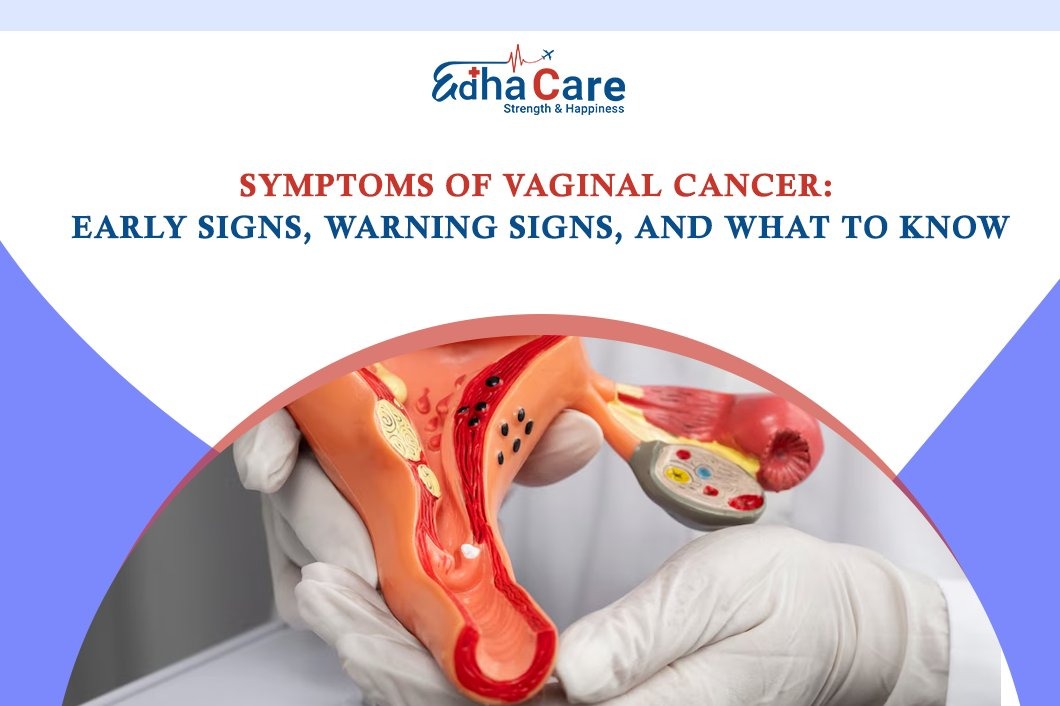
Vaginal cancer is rare but serious. It develops in the tissues of the vagina. While it’s less common than other gynecological cancers, knowing the symptoms of vaginal cancer is critical. Early detection can save lives, but many women overlook subtle warning signs.
What Is Vaginal Cancer?
Vaginal cancer happens when abnormal cells in the vaginal lining grow uncontrollably. Most cases are squamous cell carcinoma, but adenocarcinoma is also possible. Women over 50 are at higher risk, though younger women can develop it too.
Risk factors include:
- HPV infection
- Smoking
- History of cervical or vulvar cancer
- Chronic vaginal irritation
Being aware of these risks can help you recognize vaginal cancer symptoms in women early.
Early Symptoms of Vaginal Cancer
Early symptoms can be mild or easy to miss. Watch for:
- Abnormal vaginal bleeding: Spotting or bleeding outside your normal period, especially after menopause
- Unusual discharge: Watery, bloody, or foul-smelling
- Pelvic discomfort: Mild pressure or pain in the lower abdomen
- Pain during sex: Persistent or unusual discomfort
- Itching or irritation: Ongoing soreness in the vaginal area
Noticing these early signs is important for catching vaginal cancer early.
Common Symptoms and Warning Signs of Vaginal Cancer
As the disease progresses, symptoms may become more noticeable:
- Lumps or growths: Can sometimes be felt during self-exams
- Urinary or bowel issues: Painful urination, constipation, or frequent urges
- Leg swelling: May happen if lymph nodes are affected
- Changes in vaginal tissue: Thickening, color changes, or sores
Recognizing these warning signs of vaginal cancer ensures timely medical care.
Vaginal Cancer Symptoms by Stage
Symptoms vary depending on the stage:
- Stage 0 (Carcinoma in situ): Usually no symptoms, detected during routine exams
- Stage I-II: Localized symptoms like bleeding, discharge, and mild pelvic discomfort
- Stage III-IV: More serious symptoms including urinary or bowel problems, persistent pain, and visible lumps
Understanding stage-specific symptoms helps you know when to seek treatment for vaginal cancer.
How to Tell If You Have Vaginal Cancer
If you notice unusual changes, consult a doctor. Steps to take include:
- Monitor symptoms: Keep track of bleeding, discharge, or lumps
- Get regular exams: Pap smear, pelvic exam, or colposcopy
- Follow up with tests: Biopsy or imaging may be needed
Early evaluation is essential for identifying vaginal cancer symptoms and stages accurately.
Rare or Less Common Symptoms of Vaginal Cancer
Some signs are less obvious but should not be ignored:
- Persistent vaginal odor or recurring infections
- Lower back pain
- Unexplained fatigue or weight loss in advanced stages
Awareness of these rare symptoms can prevent delayed diagnosis.
When to See a Doctor for Vaginal Cancer Symptoms
See a doctor immediately if you notice:
- Bleeding after menopause
- Ongoing unusual discharge
- Vaginal lumps or changes in tissue
- Persistent pelvic pain
Early consultation can make treatment more effective and improve outcomes.
Prevention and Regular Screening for Vaginal Cancer
While vaginal cancer cannot always be prevented, you can reduce your risk by:
- Getting routine gynecological exams
- Regular Pap smears and HPV tests
- Being aware of personal risk factors, such as smoking or past cancers
- Seeking medical advice for unusual symptoms
Proactive care helps detect vaginal cancer signs and symptoms early.
Conclusion on Vaginal Cancer Symptoms
Knowing the symptoms of vaginal cancer is vital for early detection. Key signs include:
- Abnormal bleeding
- Unusual discharge
- Pelvic pain
- Vaginal lumps
Regular gynecological check-ups, awareness of risk factors, and prompt medical consultation are the best ways to protect your health.
FAQs About Vaginal Cancer Symptoms
- What is the most common symptom of vaginal cancer?
Abnormal vaginal bleeding, especially after menopause. - Can vaginal cancer be painless in early stages?
Yes, early stages may have no pain or only mild discomfort. - How is vaginal cancer diagnosed?
Through pelvic exams, Pap smears, colposcopy, and sometimes a biopsy or imaging. - Is postmenopausal bleeding always cancer?
No. It can be caused by other conditions, but it should always be checked. - Are vaginal lumps always dangerous?
Not always, but any lump should be evaluated by a doctor.