





Require Assistance?
Get A Quick Callback From Our Healthcare Experts
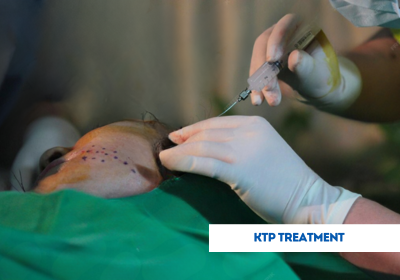
KTP selectively coagulates or kills specific tissues, potentially improving conditions while requiring little recuperation time. A range of acquired cutaneous vascular lesions, such as telangiectasis, cherry angiomas, and poikiloderma of Civatte, might benefit from its usage in the therapy, as well as some superficial port wine stains (vascular malformation). Numerous frequency conversion applications can make use of it. Contact EdhaCare to access advanced KTP treatment from top doctors in India, Turkey, Thailand, Dubai, and other countries, ensuring expert care and personalized guidance throughout your treatment journey.
[Book Consultation & Get Treatment Quote – India | Turkey | Thailand | Dubai]
In order to treat vascular and pigmented skin disorders including spider veins, rosacea, and sunspots, a green laser is used in the KTP (Potassium Titanyl Phosphate) therapy. The method stimulates coagulation or destruction by selectively heating the damaged tissue, requiring little recovery time and perhaps improving the condition. For appropriateness, get advice from a medical practitioner.
The cost of KTP treatment (potassium titanyl phosphate laser therapy) can vary depending on the condition being treated (such as vascular lesions, redness, rosacea, or pigmentation issues), the number of sessions required, clinic or hospital facilities, and the expertise of the dermatologists or laser specialists performing the procedure. Below are approximate costs for KTP treatment in India, Turkey, Thailand, and Dubai:
| Country | Approximate Cost |
|---|---|
| India | USD 150 – 1,500 |
| Turkey | USD 500 – 2,500 |
| Thailand | USD 700 – 3,000 |
| Dubai | USD 1,000 – 4,000 |
Note: Above costs for KTP Treatment are estimated. Reach out to EdhaCare for exact cost of KTP Treatment and personalized guidance.
EdhaCare guides global patients to the best hospitals in India for KTP treatment, ensuring access to the top hospitals for KTP treatment in India with advanced dermatology and laser technologies, expert care, and internationally recognized treatment standards.
| Hospital Name | Location |
|---|---|
| Fortis Hospital - Shalimar Bagh | New Delhi |
| Medanta Hospital | Gurugram |
| MGM Healthcare | Chennai |
| Manipal Hospital - Kharadi | Pune |
| Apollo Hospital | Bhubaneswar |
Meet the top doctors in India for KTP treatment through EdhaCare. These best doctors for KTP treatment in India provide personalized, expert care with international patient support and high safety standards.
| Doctor Name | Hospital Name | Location |
|---|---|---|
| Dr. Inderjit Singh Parmar | Paras | Noida |
| Dr. Col Rajagopal A | Apollo | Chennai |
| Dr. Jawaharlal Mansukhani | Kokilaben Dhirubhai Ambani | Mumbai |
| Dr. Girish C Panth | Apollo | Bhubaneshwar |
The KTP laser relies on selective photothermolysis, where specific skin components called chromophores absorb its wavelength more than surrounding tissue. Melanin, oxyhemoglobin, and red tattoo pigment are targeted. To avoid affecting nearby tissue, the laser pulse duration is shorter than the target's cooling time, containing heat effects. Modern KTP lasers include integrated cooling systems to protect the skin during vascular procedures. Upon hitting the skin, the laser light is either reflected, transmitted, or absorbed.
Targeted chromophores absorb light energy, creating heat that kills cells, but spread can cause issues. KTP lasers aren't ideal for darker skin due to melanin targeting. Adjusting pulse width and cooling alters its skin effects. Q-switched KTP uses nanosecond pulses for tattoo pigment, while picosecond lasers offer pigment fragmentation but encounter plasma veil issues at very short pulse widths.

A Medical Visa to India allows international patients to travel to India for medical treatment at re...

Lung cancer life expectancy remains one of the biggest concerns after a diagnosis. Patients and fami...
Gender Reassignment Surgery in India is increasingly considered by international patients looking fo...