



Cesarean Section


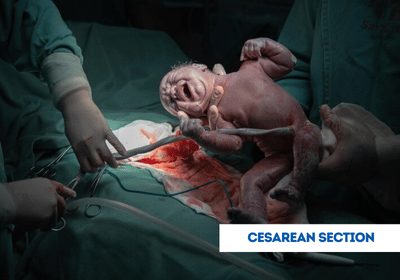
A Cesarean section, or C-section, is a surgical procedure in which a baby is delivered through an incision in the mother’s abdomen and uterus. It is usually performed when vaginal delivery poses risks to the mother or baby, such as abnormal fetal position or health complications. International patients can access the cesarean section procedure in India, Turkey, Thailand, Dubai, and other leading countries at advanced maternity hospitals supported by EdhaCare.

[Book Consultation & Get Treatment Quote – India | Turkey | Thailand | Dubai]

Cesarean Section – Estimated Cost

The cesarean section cost of a C-section varies depending on factors like the hospital, the complexity of the surgery, and the location. Below are approximate estimated costs for a cesarean section in India, Turkey, Thailand, and Dubai:

Country Approximate Cost
India USD 500 – 3,000
Turkey USD 800 – 4,000
Thailand USD 1,000 – 5,000
Dubai USD 2,500 – 7,000

Note: These costs are approximate and can vary depending on the hospital, the complexity of the surgery, and any additional services required. Contact EdhaCare for the most accurate cost of cesarean section in India.

Best Hospitals in India for Cesarean Section

EdhaCare helps patients find the best hospitals in India for cesarean section. We connect you with top hospitals for C-section in India offering advanced maternity care and experienced obstetric teams.

Hospital Name Location
Fortis Hospital - Shalimar Bagh New Delhi
Artemis Hospital Gurgaon
Apollo Hospital Navi Mumbai
Manipal Hospital - Kharadi Pune
CK Birla Hospital Jaipur

Expert Doctors in India for Cesarean Section

Through EdhaCare, connect with the best doctors in India for cesarean section. These top doctors for Cesarean section in India ensure maternal safety and newborn care.

Doctor Name Hospital Name Location
Dr. Shakti Bhan Khanna Apollo Delhi
Dr. Savitri Subramanyam Vijaya Chennai
Dr. Jaya M Bhat Fortis Bengaluru
Dr. Anita Kant Asian Faridabad
Dr. Girish Sabnis Narayana Mumbai

When Would I Need A C-section?

You may need a C-section in the following situations:

  1. Baby's Position: If the baby is breech (feet first) or transverse (sideways), a C-section may be necessary.
  2. Multiple Pregnancies: In cases of twins or more, a Cesarean section might be safer for both the mother and babies.
  3. Health Issues: If the mother has health problems, such as high blood pressure, diabetes, or infections, a C-section may be recommended.
  4. Previous C-section: If you had a C-section in the past, it might be safer to have another one.
  5. Fetal Distress: If the baby's heart rate shows signs of distress during labor, a C-section may be needed quickly.
  6. Obstruction: If there are issues like large fibroids blocking the birth canal, a Cesarean section might be required.Prolonged Labor: If labor is not progressing, a C-section may be necessary to ensure the safety of both mother and baby.

Caesarean section is a surgical procedure that involves the delivery of a baby through an incision made in the mother's abdominal wall and uterus. It may be planned in advance (elective) or performed as an emergency procedure due to unforeseen complications during pregnancy or labor.

What is the duration of a C-section surgery?

A C-section surgery typically takes about 45 minutes to an hour. The actual procedure involves making an incision in the abdomen and uterus to deliver the baby. After the baby is born, doctors will stitch up the uterus and abdomen, which can take additional time. While the surgery itself is relatively quick, you will also spend time in the recovery room afterward to ensure both you and the baby are stable.

After a C-section Surgery

  • After a C-section, recovery is important for both the mother and baby. Women may experience pain at the incision site, so doctors usually prescribe pain relief. It's crucial to rest and avoid heavy lifting for several weeks.
  • The hospital stay is typically around 2 to 4 days, during which doctors monitor healing. Mothers are encouraged to start gentle movements to promote blood circulation.
  • Breastfeeding can begin soon after surgery, and skin-to-skin contact with the baby is encouraged. It’s normal to feel emotional changes as well, so support from family and friends can be helpful.
  • Follow-up appointments are important to check on the incision and overall health. During this time, women should watch for signs of infection, such as increased pain, redness, or discharge at the incision site. Proper care and attention to recovery help ensure a smooth healing process and a healthy start for the baby.

Risks and Benefits of C-Section

Benefits of C-Section:

  1. Safety for Baby: A C-section can protect the baby from stress during delivery, especially in cases of fetal distress. It can prevent complications if the baby is in a breech position (feet first).
  2. Control Over Delivery: Planned Cesarean section allow doctors to schedule the delivery, which can be helpful for both the mother and medical team.
  3. Less Labor Pain: Since the surgery is performed under anesthesia, mothers may avoid the intense pain of labor.
  4. Immediate Medical Attention: If there are complications, a C-section can quickly provide necessary medical interventions for both mother and baby.

Risks of C-Section:

  1. Infection: There is a risk of infection at the incision site or in the uterus. Proper hygiene and care can reduce this risk.
  2. Longer Recovery: Recovery from a C-section generally takes longer than from a vaginal birth. Mothers may experience more pain and need extra help at home.
  3. Blood Loss: C-sections can lead to more blood loss compared to vaginal births. In rare cases, this can require a blood transfusion.
  4. Future Pregnancy Risks: Having a Cesarean section may increase risks in future pregnancies, such as uterine rupture or complications with the placenta.

Cesarean Section Surgery Procedure

A C-section (Cesarean section) is a surgical procedure used to deliver a baby through an incision in the mother's abdomen and uterus. It is typically performed when a vaginal delivery could pose risks to the mother or baby

Before the surgery, the mother is given anesthesia, usually either an epidural or spinal block, which numbs the lower part of the body but allows her to stay awake during the procedure. In some cases, general anesthesia may be used, which puts the mother to sleep.

  1. Incision: The doctor makes a horizontal incision just above the pubic area on the abdomen, about 10-15 cm long.
  2. Opening the Uterus: A second incision is made in the uterus to access the baby.
  3. Baby's Delivery: The baby is gently lifted out of the uterus. Once the baby is delivered, the umbilical cord is cut, and the baby is cleaned and checked by medical staff.
  4. Removing the Placenta: After the baby is delivered, the placenta is removed from the uterus.
  5. Closing the Incisions: The doctor then stitches up the uterus and the abdominal incision in layers. This part of the procedure can take around 30 minutes.

After the surgery, the mother is taken to a recovery room where she is monitored for any signs of complications, such as excessive bleeding. Pain medication is administered as needed, and within a few hours, the mother may begin to breastfeed and bond with her baby.

A C-section usually takes 45 minutes to an hour, and recovery can take several weeks.

Other Specilities We Cover

gynecological and obstetric treatment in india

Gynecology & Obstetrics

bartholin's cyst treatment in india

Bartholin's Cyst Treatment

colposcopy procedure in india

Colposcopy

Require Assistance?

Stay Informed

Immunotherapy for Lung Cancer in India:Cost, Success Rate & Treatment

Lung cancer is the most commonly diagnosed cancer across the globe and it serves as the primary reas...

Medical Visa from the UK to India: Easy Steps for Patients

Are you planning to travel from the United Kingdom to India for your treatment but uncertain about t...

Medical Visa from Germany to India – Eligibility, Documents & Application Process

Planning to travel from Germany to India for medical treatment? Confused about the steps involved in...