




Require Assistance?
Get A Quick Callback From Our Healthcare Experts
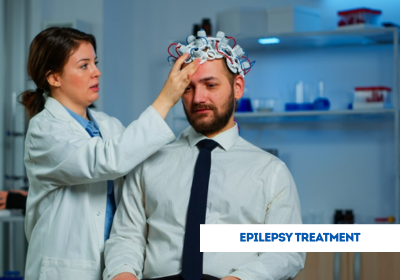
Epilepsy is a condition that affects the brain. In epilepsy, the brain sometimes sends sudden, unusual electrical signals. This causes seizures, which can look different from person to person. Some seizures are very mild, like short staring spells, while others can be stronger, with shaking or loss of awareness. With the right treatment and regular care, most people with epilepsy can manage their seizures well and live healthy, normal lives. With the help of EdhaCare, international patients can receive epilepsy treatment in India, Turkey, Thailand, Dubai, and other top medical destinations from expert doctors with comprehensive care.
[Book Consultation & Get Treatment Quote – India | Turkey | Thailand | Dubai]
Epilepsy Treatment is a neurological disorder that affects the brain's electrical activity, resulting in seizures. Epilepsy Treatment for epilepsy typically involves medications to manage and reduce the frequency of seizures. In some cases, surgery may be recommended to remove a specific area of the brain that is causing the seizures. Other treatments may include a special diet or the implantation of a device to stimulate the vagus nerve. The type of treatment recommended will depend on the individual patient's condition, including the severity and frequency of seizures, and other medical factors.
Epilepsy is a neurological disorder that affects people worldwide, and there are many Epilepsy Treatment options available in India. Treatment for epilepsy in India typically involves a combination of medication, lifestyle changes, and in some cases, surgery.
Epilepsy treatment in India with medicines or sometimes surgery can control seizures for most people with Epilepsy Treatment. Some people require lifelong treatment. For others, seizures go away. Some children with epilepsy may outgrow the condition with age.
The cost of epilepsy treatment may vary depending on the type of care needed (medications, diagnostic tests, surgery such as VNS or resection, or long‑term management), the healthcare facility, patient’s condition, and the expertise of the neurology team. Below are approximate costs for epilepsy treatment in India, Turkey, Thailand, and Dubai:
| Country | Approximate Cost |
|---|---|
| India | USD 800 – 10,000 |
| Turkey | USD 2,500 – 15,000 |
| Thailand | USD 3,000 – 18,000 |
| Dubai | USD 5,000 – 25,000 |
Note: Above costs for epilepsy treatment are estimated. Reach out to EdhaCare for exact cost and personalized guidance.
Explore the top hospitals in India for epilepsy treatment. These best hospitals for epilepsy treatment in India offer advanced treatment options, expert specialists, and personalized care to deliver optimal outcomes for patients.
| Hospital Name | Location |
|---|---|
| Max Hospital - Shalimar Bagh | New Delhi |
| Manipal Hospital | Gurugram |
| Nanavati Max Super Specialty Hospital | Mumbai |
| Paras JK Hospital | Udaipur |
| Jaypee Hospital | Noida |
Meet the top doctors in India for epilepsy treatment. These best doctors for epilepsy treatment in India are highly experienced specialists who use advanced techniques and modern technology to provide safe, effective, and reliable treatment.
| Doctor Name | Hospital Name | Location |
|---|---|---|
| Dr. Sandeep Vaishya | Fortis | Gurugram |
| Dr. Ravi Bhatia | Apollo | Delhi |
| Dr. Matthew Abraham | Aster Medicity | Kochi |
| Dr. P.N Renjen | Apollo | Delhi |
| Dr. Nagarajan V | MGM | Chennai |
Epilepsy can affect anyone, regardless of age or gender. Common risk groups include:
Epilepsy may have different causes but in some instances, the reasons are not known. The risk factors are as follows:
The Epilepsy Treatment procedure for epilepsy can vary depending on the individual patient's condition and needs. In general, there are several approaches to treating epilepsy, including medication, lifestyle changes, and in some cases, surgery.
1. Medications: Anti-epileptic medications are the most common Epilepsy Treatment for epilepsy. The goal of medication treatment is to reduce the frequency and severity of seizure Treatment. The specific medication prescribed will depend on the type of seizures, the patient's age and health, and other factors. It's important to take medication as prescribed and to work closely with the healthcare provider to manage any side effects and adjust the dosage if needed.
2. Lifestyle Changes: In addition to medications, lifestyle changes may also be recommended, such as avoiding triggers that can increase the risk of seizures, getting enough sleep, and managing stress. In some cases, a special diet called the ketogenic diet may be recommended.
3. Surgery: For patients with severe and medically resistant epilepsy, surgery may be recommended to remove the area of the brain that is causing seizures. The specific type of surgery will depend on the location of the seizure Treatment focus in the brain. Some types of surgery may involve removing a portion of the brain or using a technique called deep brain stimulation to regulate brain activity.
After epilepsy treatment, regular follow-up appointments with a neurologist or epileptologist are necessary to monitor seizure Treatment activity, adjust medication dosages, and manage any potential side effects. It's important to continue with treatment even if seizures have stopped to prevent future seizures from occurring.
| Time Period | Recovery / Care Details |
| First Few Weeks After Diagnosis | Doctor confirms epilepsy with tests. Medicines are started and doses are adjusted. Patients may feel side effects like sleepiness or dizziness until the body adjusts. |
| 1–3 Months | Seizures may reduce in frequency and intensity with regular medicine. Doctors monitor progress and may change drugs or doses if needed. Lifestyle adjustments like better sleep and stress control begin. |
| 3–6 Months | Most patients notice clear improvement. Side effects often become less noticeable. Patients start resuming work, school, or normal routines with safety precautions. |
| 6–12 Months | If seizures are under control, quality of life improves. Patients may regain confidence in social life, driving (if allowed), and daily activities. Regular follow-ups continue. |
| Long-Term Care (1 year and beyond) | Continued medicine use as prescribed. Healthy habits like proper sleep, stress management, avoiding alcohol, and regular exercise help maintain seizure control. Some patients may gradually stop medication if seizure-free for several years, but only under a doctor’s guidance. |
| Metric | Value |
| Seizure Control with Medication | 65% – 70% |
| Surgery Success Rate | 60% – 80% (in drug-resistant cases) |
| Long-Term Quality of Life | High with proper follow-up |
1. Is epilepsy curable?
Epilepsy is usually a long-term condition, but with proper medication, 70% of patients can live seizure-free. In some cases, surgery offers a potential cure.
2. Can epilepsy patients live a normal life?
Yes, with treatment and lifestyle adjustments, most people with epilepsy can study, work, marry, and have families like others.
3. What should I do if I miss a dose of medicine?
Take it as soon as you remember, unless it’s almost time for the next dose. Never double the dose without a doctor’s advice.
4. Are children with epilepsy different from others?
Children with controlled epilepsy can attend regular schools and participate in activities, but teachers and caregivers should know seizure first aid.
5. Can epilepsy come back after years of being seizure-free?
Yes, in some cases seizures may return. Regular medical check-ups and medicine compliance are key to preventing relapses.

A Medical Visa to India allows international patients to travel to India for medical treatment at re...
Lung cancer life expectancy remains one of the biggest concerns after a diagnosis. Patients and fami...
Gender Reassignment Surgery in India is increasingly considered by international patients looking fo...