




Require Assistance?
Get A Quick Callback From Our Healthcare Experts
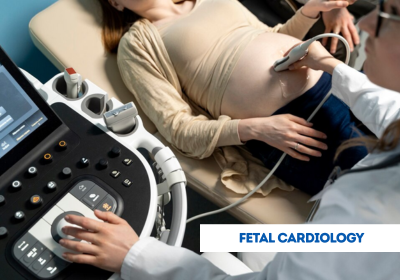
Fetal cardiology is a pediatric cardiology subspecialty focusing on the diagnosis and management of heart conditions in unborn babies. Congenital heart defects affect about 8–10 per 1,000 live births. Early detection during prenatal care allows accurate planning for perinatal management and postnatal treatment to improve outcomes. EdhaCare assists international patients seeking fetal cardiology in India, Turkey, Thailand, Dubai, and other countries by connecting them with experienced doctors and NABH- or JCI-accredited hospitals, providing expert consultation, personalized treatment planning, and structured post-treatment care.
[Book Consultation & Get Treatment Quote – India | Turkey | Thailand | Dubai]
The cost of fetal cardiology consultation and treatment varies depending on the hospital, type of diagnostic evaluation (ultrasound, fetal echocardiography), complexity of any interventions, and specialist expertise. Below are approximate costs for fetal cardiology services in India, Turkey, Thailand, and Dubai:
| Country | Approximate Cost |
|---|---|
| India | USD 300 – 1,500 |
| Turkey | USD 800 – 3,000 |
| Thailand | USD 1,000 – 4,000 |
| Dubai | USD 1,500 – 5,000 |
Note: The above costs of fetal cardiology are only estimates. Reach out to EdhaCare for the exact fetal cardiology cost and personalized treatment guidance.
EdhaCare guides global patients to the best hospitals in India for fetal cardiology, ensuring access to the top hospitals for fetal cardiology in India with advanced prenatal cardiac technologies, expert care, and internationally recognized treatment standards.
| Hospital Name | Location |
|---|---|
| MGM Healthcare | Chennai |
| Fortis Escorts Heart Institute | Delhi |
| Medanta Hospital | Gurgaon |
| Rainbow Children's Hospital | Hyderabad |
| BM Birla Hospital | Kolkata |
Meet the top doctors in India for fetal cardiology through EdhaCare. These best doctors for fetal cardiology in India provide personalized, expert care with international patient support and high safety standards.
| Doctor Name | Hospital Name | Location |
|---|---|---|
| Dr. Ajit Desai | Jaslok | Mumbai |
| Dr. Smita Mishra | Manipal | Delhi |
| Dr. Aseem Ranjan Srivastava | Artemis | Gurugram |
| Dr. Nageswara Rao Koneti | Rainbow | Hyderabad |
| Dr. Sushil Shukla | Asian | Faridabad |
Fetal cardiology is indicated for pregnant women at increased risk of having a baby with congenital heart disease or rhythm disturbances.
Examples of indications for fetal cardiology include:
Fetal cardiology evaluations are typically initiated between 18-24 weeks of gestation, but some evaluations may occur earlier in high-risk pregnancies.
Fetal cardiology involves several diagnostic and monitoring measures that are designed to evaluate how well the fetal heart functions.
Fetal Echocardiography
Fetal Doppler Studies
Fetal Rhythm Monitoring
Fetal MRI (Very Rare)
Fetal Cardiac Intervention (In Selected Centers)
Fetal cardiology services are generally coordinated in conjunction with maternal-fetal medicine (MFM) providers to provide prenatal care for both mother and fetus.
Here are the pre-procedure evaluation and diagnostics processes to prepare for a fetal cardiology assessment.
Pre-evaluation processes may include:
Fetal echocardiography is usually scheduled as a follow-up for a suspected finding reported on a routine ultrasound or as part of previously scheduled screening in high-risk pregnancies.
Offering fetal cardiac evaluation is based on risk factors, family history, or abnormal prenatal findings. Planning considerations include the following:
In cases where fetal intervention is considered, evaluation includes a risk-benefit discussion and appropriate case selection for potential in-utero therapy.
The most common fetal cardiology procedure is fetal echocardiography, which is non-invasive and painless. The step-by-step process of fetal echocardiography includes the following:
The entire procedure takes approximately 30 to 60 minutes. No sedation or special preparation is required.
Fetal cardiology assessments, particularly fetal echocardiography, are safe, non-invasive, and carry no risk of radiation exposure.
Key Safety Considerations
Potential Challenges
In very rare cases where in-utero fetal cardiac intervention is performed, procedural risks include preterm labor, infection, or fetal distress.
After the fetal cardiac assessment:
Families receive psychological support and guidance to manage the emotional impact of the diagnosis and treatment planning.
Since fetal cardiology evaluations are diagnostic and non-invasive, no physical recovery is needed.
Long-term care planning includes the following:
In many cases, early diagnosis allows for timely and successful treatment, significantly improving long-term survival and quality of life.
Success in fetal cardiology is measured by accurate diagnosis, timely intervention, and coordinated perinatal care.
India’s leading fetal cardiology centers offer outcomes comparable to international standards with access to comprehensive cardiac and neonatal care.
India is a leading destination for advanced fetal cardiology services due to its expertise, affordability, and integrated perinatal care.
For international patients visiting India for fetal cardiology procedures, it is necessary to present certain documentation to have a smooth medical journey. These include:
It is advisable to refer to the Indian consulate or your medical facilitator for the latest information and help in documentation.
Is fetal echocardiography safe?
Yes, fetal echocardiography is a non-invasive, safe procedure with no known risks to the mother or baby.
When is fetal echocardiography recommended?
It is usually performed between 18–24 weeks if there is a family history of heart defects, maternal risk factors, or abnormalities detected on a routine ultrasound.
Can heart defects be treated before birth?
Some fetal arrhythmias can be managed with medications during pregnancy. In-utero cardiac interventions are rare and performed only in select specialized centers.
Will all heart defects require surgery after birth?
Not necessarily. Some minor defects may resolve on their own, while others require surgery or catheter-based treatments soon after delivery.
Can I deliver at a regular hospital if my baby has a heart defect?
Delivery at a hospital with neonatal cardiac care facilities is recommended to ensure immediate medical support if needed.


A Medical Visa to India allows international patients to travel to India for medical treatment at re...

Lung cancer life expectancy remains one of the biggest concerns after a diagnosis. Patients and fami...
Gender Reassignment Surgery in India is increasingly considered by international patients looking fo...