



Fontan Procedure

Fontan procedure is a palliative surgery for children with single-ventricle congenital heart defects, such as hypoplastic left heart syndrome, tricuspid atresia, or pulmonary atresia. It reroutes blood flow to improve oxygenation and reduce strain on the heart. EdhaCare assists international patients seeking the Fontan treatment in India, Turkey, Thailand, Dubai, and other countries by connecting them with experienced doctors and NABH- or JCI-accredited hospitals, offering professional consultation, tailored treatment planning, and structured post-treatment care.

[Book Consultation & Get Treatment Quote – India | Turkey | Thailand | Dubai]

Fontan Procedure – Estimated Cost

The cost of a Fontan procedure can vary based on the healthcare facility, the intricacy of the operation, the patient’s health status, and the experience of the surgical team. Below are approximate costs for fontan procedure in india, Turkey, Thailand, and Dubai:

Country Approximate Cost
India USD 12,000 – 35,000
Turkey USD 20,000 – 40,000
Thailand USD 25,000 – 50,000
Dubai USD 35,000 – 70,000

Note: These figures for the Fontan procedure are provided as a guideline only. Reach out to EdhaCare for exact costs and a customized treatment plan.

Best Hospitals in India for Fontan Procedure

EdhaCare guides global patients to the best hospitals in India for Fontan procedure, ensuring access to the top hospitals for Fontan procedure in India with advanced pediatric cardiac technologies, expert care, and internationally recognized treatment standards.

Hospital Name Location
MGM Healthcare Chennai
Fortis Escorts Heart Institute Delhi
Medanta Hospital Gurgaon
Rainbow Children's Hospital Hyderabad
BM Birla Hospital Kolkata

Expert Doctors in India for Fontan Procedure

Meet the top doctors in India for Fontan procedure through EdhaCare. These best doctors for Fontan procedure in India provide personalized, expert care with international patient support and high safety standards.

Doctor Name Hospital Name Location
Dr. Ajit Desai Jaslok Mumbai
Dr. Smita Mishra Manipal Delhi
Dr. Aseem Ranjan Srivastava Artemis Gurugram
Dr. Nageswara Rao Koneti Rainbow Hyderabad
Dr. Sushil Shukla Asian Faridabad

Who Needs Fontan Procedure Treatment?

Here are the categories of patients who need this treatment. 

  • For children with congenital heart defects, double inlet left ventricle, hypoplastic left heart syndrome (HLHS), tricuspid atresia, and others.
  • Considered after other surgeries like the Norwood and Glenn Procedure so that the child's body is capable of handling a new pattern of blood flow.

Types of Fontan Procedures

There are two types of Fontan procedures: the lateral tunnel Fontan and the extracardiac conduit Fontan. 

Lateral Tunnel Fontan

In the lateral tunnel Fontan, a tunnel is formed inside the heart to guide blood flow from the lower body to the lungs. A baffle is placed within the right atrium to make a pathway for the blood to flow into the pulmonary arteries from the inferior vena cava. 

Extracardiac Conduit Fontan

In the extracardiac conduit Fontan, a tube is put outside the heart to transport blood directly from the inferior vena cava to the pulmonary arteries. The extracardiac approach is currently favored because it lowers the risk of abnormal heart rhythms. The procedure selected depends on the anatomy of the child and the overall condition of the child's heart.

Pre-Surgery Evaluation and Diagnostics

Here are the steps to be followed in this case. 

  • MRI, CT scans, and oxygen saturation tests 
  • Liver and kidney function tests
  • Precise imaging

Selection and Surgical Planning

This is what goes into the surgical procedure planning process. 

  • Appropriate selection of the patient and surgical planning are important factors for the success of the Fontan procedure. 
  • Doctors select the most favorable time for surgery, typically between 2 and 5 years of age, when the child's lungs and heart can handle the change in blood circulation. 
  • The surgical team decides the use of the lateral tunnel or extracardiac conduit depending on the child's heart structure and examination results. 
  • Planning also entails reducing risks like excessive lung pressure or valve issues. 
  • The healthcare team creates an elaborate step-by-step operation plan, with all the resources, equipment, and postoperative management in place to facilitate the child's recovery.

Fontan Procedure 

The procedure for Fontan treatment involves the following:

  • Preoperative Evaluation: The first step is to carry out an extensive general assessment of the patient’s health and anatomy through different kinds of tests.
  • Anesthesia and Incision: In the next step, the patient is put under anesthesia to reach the heart and join the blood vessels associated with rerouting blood flow. This is followed by making an incision in the chest. 
  • Atrial Septectomy: Sometimes, a surgical procedure named Atrial Septectomy is performed by surgeons to create an opening between the upper chambers of the heart. This allows poisonous blood from the body to be directed to the lungs. 
  • Rerouting Blood Flow:  The surgeon then connects the superior vena cava and the right atrium or pulmonary artery. This helps the body to send the blood from the head and upper body (which has lost oxygen) directly to the lungs for replenishment. 
  • Additional modification: There are times when the doctors need to make additional adjustments to increase blood flow through valves, patches, or conduits to reroute the blood flow to coronary arteries while stopping the backflow of blood.
  • Closure and Recovery: After making all the connections, the incision is closed, and the patient is ultimately transferred for recovery. The doctors and nurses then monitor the vital signs of the patients and ensure that he or she can gradually become active under the guidance of healthcare professionals. 
  • Postoperative Care and Follow-up: After the procedure is done and the initial resting period is passed, the patients are required to continue regular cardiac checkups. A doctor’s consultation is necessary for monitoring heart functions, measuring oxygen levels, and handling any long-term problems that may arise. 

Risks & Potential Complications of Fontan Procedure 

The Fontan procedure is complex and can involve some risk factors. Some of these include:

  • Common risk factors like bleeding, blood clots, and arrhythmias
  • The patients may also develop health issues like Fontan-associated liver disease, protein-losing enteropathy, low oxygen levels, and others.
  • Some children may also face difficulties with body development, but this can be corrected with minor surgeries. 
  • It is also important for the parents of children to closely coordinate with a pediatric cardiologist to monitor heart health and to ensure a better quality of life.

What to Expect After the Fontan Procedure?

Here are the expectations after the treatment. 

  • Following the Fontan procedure, children will usually have increased oxygen levels and better circulation, enabling them to be more active and less fatigued. 
  • Recovery is a slow process and usually requires 2-3 weeks in the hospital, including intensive care unit time. 
  • Patients will require routine heart check-ups to assess function, rhythm, and oxygen saturation. 
  • Medications to avoid blood clots, control heart rhythm, and maintain heart function are prescribed by doctors. 
  • Lifestyle adjustments, including low salt intake, daily exercise, and preventing dehydration, are also advised. 
  • Long-term follow-up is necessary because some patients can develop late complications in the form of arrhythmias, liver issues, or protein-losing enteropathy. 
  • Emotional support, physical therapy, and developmental care can also be required. 
  • With good management, most patients can have active, productive lives, go to school, and engage in non-strenuous activities, but they must take care to avoid excessive physical activity.

Post-Surgical Recovery & Long-Term Care

The post-treatment recovery and long-term care for patients who have undergone the Fontan procedure include the following:

  • Regular doctor checkups to ensure cardiac function and to monitor oxygen levels
  • To take regular medications prescribed by the doctor
  • To urgently consult the doctor in case any serious health issue related to the heart occurs

Fontan Procedure Success Rate in India

Approximately 94% of the patients survived this surgery without any major complications. The majority of the children are capable of living a happy and good quality of life. However, the mortality rate depends on different factors like valve functions, pulmonary pressure, and others. Overall, the mortality rate of this treatment is slightly higher in India than in other parts of the world. 

Why Choose India for the Fontan Procedure?

Some of the main reasons why a person should choose Indian hospitals and doctors for the Fontan procedure include the following:

  • India has some of the best hospitals with state-of-the-art infrastructure.
  • The doctors in India are highly talented and experienced in handling the Fontan procedure.
  • The treatment cost for the Fontan Procedure is quite less compared to other countries.
  • Indian hospitals have a comparatively higher mortality rate when it comes to the Fontan procedure.

Documents Required for Patients Traveling to India for the Fontan Procedure

For international patients contemplating the Fontan procedure in India, it is necessary to present certain documentation to have a smooth medical journey. These include:

  • Valid Passport: Valid for a minimum of six months after the date you travel.
  • Medical Visa (M Visa): Granted by the Indian Embassy/Consulate on medical grounds.
  • Invitation Letter from Indian Hospital: A formal letter explaining the course of treatment and how long it will last.
  • Recent Medical Records: X-rays, MRIs, blood tests, and a referral note by a doctor in the home country.
  • Completed Visa Application Form: With passport-size photographs according to specifications.
  • Proof of Means: Bank statements dated in the past few months or health insurance.
  • Medical Attendant Visa: Needed for a companion or caregiver traveling with the patient.

It is advisable to refer to the Indian consulate or your medical facilitator for the latest information and help in documentation.

Frequently Asked Questions (FAQs)

What is the Fontan procedure?

The Fontan procedure is a cardiac operation that benefits children with single-ventricle disease by bringing blood directly to the lungs, without going through the heart.

What is the success rate of the Fontan procedure in India?

The Fontan procedure in India is successful in about 94% of cases within the hospital, with good long-term quality of life and heart function for most patients.

How long does a patient stay in the hospital after Fontan surgery?

The majority of patients remain in the hospital for around 2-3 weeks, involving intensive care and recovery, depending on the healing and overall health of the child.

How is the Glenn procedure different from the Fontan procedure? 

The Glenn procedure is done at the time of infancy, redirecting blood flow to the lungs from the upper body. On the other hand, the Fontan procedure is usually performed a year or two after this stage, connecting the lower body’s venous return to the lungs. 

What is the average age for the Fontan procedure? 

Children between the ages of 2 and 15 (mostly 3-5 years) born with a single ventricle issue may require the Fontan procedure. However, every child does not need it; it depends on what the healthcare provider/doctor says after checking. 
Other Specilities We Cover

coarctation of the aorta surgery in india

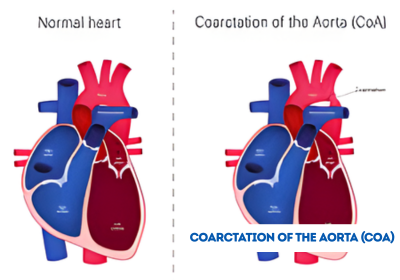
Coarctation of the Aorta (CoA)

tetralogy of fallot treatment in india

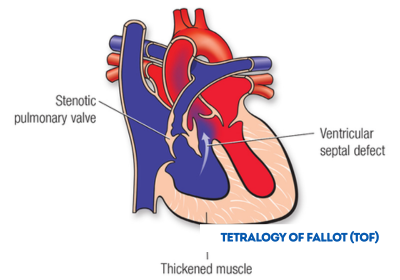
Tetralogy of Fallot (TOF)

heart surgery in india

Heart Surgery

Require Assistance?

Stay Informed

Immunotherapy for Lung Cancer in India:Cost, Success Rate & Treatment

Lung cancer is the most commonly diagnosed cancer across the globe and it serves as the primary reas...

Medical Visa from the UK to India: Easy Steps for Patients

Are you planning to travel from the United Kingdom to India for your treatment but uncertain about t...

Medical Visa from Germany to India – Eligibility, Documents & Application Process

Planning to travel from Germany to India for medical treatment? Confused about the steps involved in...