




Tetralogy of Fallot (TOF)

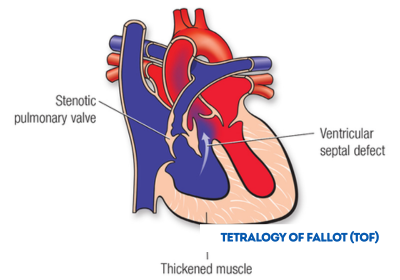
Tetralogy of Fallot (TOF) is a complex congenital heart defect consisting of four structural abnormalities that affect blood flow and oxygen levels, often causing cyanosis or a bluish tint to the skin. TOF is a common cyanotic heart disease requiring surgical correction for improved oxygenation and heart function. EdhaCare assists international patients seeking tetralogy of fallot treatment in India, Turkey, Thailand, Dubai, and other countries by connecting them with experienced doctors and NABH- or JCI-accredited hospitals, offering professional consultation, tailored treatment planning, and structured post-treatment care.

[Book Consultation & Get Treatment Quote – India | Turkey | Thailand | Dubai]

Tetralogy of Fallot – Estimated Cost

The cost of Tetralogy of Fallot repair may vary depending on the hospital, type and complexity of the surgical procedure, patient’s condition, and the expertise of the cardiac surgery team. Below are approximate costs for Tetralogy of Fallot treatment in India, Turkey, Thailand, and Dubai:

Country Approximate Cost
India USD 8,000 – 25,000
Turkey USD 15,000 – 35,000
Thailand USD 20,000 – 40,000
Dubai USD 30,000 – 60,000

Note: Above costs for Tetralogy of Fallot are estimated. Reach out to EdhaCare for exact pricing and personalized guidance.

Best Hospitals in India for Tetralogy of Fallot

EdhaCare guides global patients to the best hospitals in India for tetralogy of Fallot, ensuring access to the top hospitals for tetralogy of Fallot in India with advanced pediatric cardiac technologies, expert care, and internationally recognized treatment standards.

Hospital Name Location
MGM Healthcare Chennai
Fortis Escorts Heart Institute Delhi
Medanta Hospital Gurgaon
Rainbow Children's Hospital Hyderabad
BM Birla Hospital Kolkata

Expert Doctors in India for Tetralogy of Fallot

Meet the top doctors in India for tetralogy of Fallot through EdhaCare. These best doctors for tetralogy of Fallot in India provide personalized, expert care with international patient support and high safety standards.

Doctor Name Hospital Name Location
Dr. Ajit Desai Jaslok Mumbai
Dr. Smita Mishra Manipal Delhi
Dr. Aseem Ranjan Srivastava Artemis Gurugram
Dr. Nageswara Rao Koneti Rainbow Hyderabad
Dr. Sushil Shukla Asian Faridabad

Who Needs TOF Treatment?

TOF treatment is indicated for all patients with this defect. Untreated, TOF can lead to serious complications, such as stroke, heart failure, and death.

Treatment candidates are the following:

  • Infants and newborns diagnosed with TOF, during pregnancy or soon after birth.
  • Children with cyanotic spells, also known as "Tet spells", with episodes of severe oxygen deprivation.
  • Older children and adults with unrepaired TOF or residual defects after previous repair.

Proactive intervention via surgical correction of TOF in the first year of life is crucial to improve survival and function.

Types of TOF Treatment Procedures

Treatment options for TOF include surgical repair, which may be performed either as a complete or staged repair.

Complete Surgical Repair

  • It is the preferred method for most infants (generally between 3–12 months)
  • Involves closure of the ventricular septal defect with a patch
  • Reduces right ventricular outflow tract obstruction by either enlarging the pulmonary artery or replacing the valve if required

Temporary (Palliative) Procedures

  • It is necessary whenever a baby is prematurely born or has pulmonary arteries that are underdeveloped. 
  • Blalock-Taussig (BT) shunt - this is a temporary connection between the subclavian artery and pulmonary artery to increase blood flow to the lungs

Pulmonary Valve Replacement (if required)

  • Some patients will require pulmonary valve replacement if there is significant pulmonary valve deterioration
  • This may occur either at the time of initial repair or later in life.

Pre-Surgery Evaluation and Diagnostics

Before the surgical intervention, extensive diagnostic workups will take place to confirm the TOF diagnosis, assess the severity of the disease, and fine-tune the surgical plan for completing the surgical TOF intervention. 

Important work-ups will consist of: 

  • Echocardiogram
  • Chest X-ray
  • Electrocardiogram
  • Cardiac Catheterisation
  • Pulse Oximetry

Additional work-ups may be done to rule out any genetic syndrome (ex., DiGeorge syndrome) that may be associated with TOF.

Selection and Surgical Planning

Surgical planning includes:

  • Determining the appropriate timing based on the infant's weight, symptoms, and oxygen saturation.
  • Deciding whether to perform a complete repair or palliative surgery in severely cyanotic infants.
  • The surgical plan should include an assessment of the pulmonary arteries and valve to allow planning of possible patient reconstruction or valve replacement.
  • Preparing for any potential long-term follow-up or future interventions, especially if pulmonary valve replacement is anticipated.

A team of pediatric cardiologists, cardiothoracic surgeons, anesthesiologists, and pre-operative and post-operative neonatal care physicians will meet to agree on a safe and feasible surgical plan.

TOF Surgery Procedure

TOF surgery includes the following steps:

  1. General Anesthesia - The patient is put under general anesthesia to ensure a pain-free surgery. 
  2. Cardiopulmonary Bypass - The functions of the lungs and heart are taken over by the heart-lung machine, enabling the surgeon to operate on a still heart. 
  3. VSD Closure - The VSD is a hole between the ventricles of the heart, and it is closed with a patch. This prevents the mixing of oxygen-poor and oxygen-rich blood. 
  4. Relieving Pulmonary Stenosis - The narrowing of the outflow tract and pulmonary valve is addressed in this step. It may involve either removing obstructions or widening the valve to boost blood flow to the lungs. 
  5. Weaning from Bypass - Upon the completion of the heart repair procedure, the patient is steadily taken off the cardiopulmonary bypass. The lungs and heart then resume their normal functions. 
  6. Post-Surgery Care - The patient is monitored closely in the ICU (intensive care unit) to ensure proper recovery and tackle any possible complications. 

Risks & Potential Complications of TOF Treatment

While surgical outcomes for TOF have greatly improved, potential risks include:

  • Bleeding or infection
  • Arrhythmias (irregular heartbeats)
  • Heart block requiring pacemaker insertion
  • Residual ventricular septal defects or pulmonary obstruction
  • Low cardiac output syndrome
  • Pulmonary valve regurgitation
  • Right ventricular enlargement or dysfunction
  • Need for pulmonary valve replacement later in life

With proper surgical care and regular follow-up, most of these complications can be effectively managed.

What to Expect After TOF Surgery?

Immediate Post-Operative Period

  • ICU stay for 2–5 days for close monitoring
  • Gradual weaning from ventilator support and inotropic medications
  • Hospital stay typically lasts 1–2 weeks

Recovery

  • Most children recover well and show improved oxygenation and activity levels
  • Feeding and weight gain improve significantly after surgery
  • Restrictions on vigorous physical activity may be advised temporarily

Follow-Up

  • Regular cardiology visits with echocardiograms and ECGs
  • Long-term monitoring for potential arrhythmias or valve-related issues

Post-Treatment Recovery & Long-Term Care

Long-term management includes:

  • Periodic cardiac imaging to assess heart function and pulmonary valve performance
  • Monitoring for potential arrhythmias, which may increase during adolescence or adulthood
  • Planning for pulmonary valve replacement if severe valve leakage develops
  • Psychosocial support and developmental assessments to ensure normal growth and learning

Many patients live full, active lives with minimal restrictions following successful TOF repair.

TOF Treatment Success Rate in India

India’s leading pediatric cardiac centers report excellent surgical outcomes for TOF.

Reported success rates:

  • Surgical Survival Rate: Over 95% in experienced centers
  • Symptom Relief: Most children experience dramatic improvement in oxygenation and energy levels
  • Long-Term Survival: High, especially with regular follow-up and timely management of late complications
  • Low Reoperation Rates: When initial repair is performed with modern techniques

Why Choose India for TOF Treatment?

India is one of the most trusted global destinations for affordable, high-quality pediatric cardiac care.

  • Highly skilled pediatric cardiac surgeons with extensive experience in TOF repair
  • State-of-the-art facilities with advanced cardiac ICUs
  • Affordable treatment packages compared to Western countries
  • Minimal waiting times for critical heart surgeries
  • Integrated care with pediatricians, anesthesiologists, and cardiac rehabilitation teams
  • Comprehensive medical tourism support for international families

Documents Required for Patients Traveling to India for TOF Treatment

For international patients looking for TOF treatment in India, it is necessary to present certain documentation to have a smooth medical journey. These include:

  • Valid Passport: Valid for a minimum of six months after the date you travel.
  • Medical Visa (M Visa): Granted by the Indian Embassy/Consulate on medical grounds.
  • Invitation Letter from Indian Hospital: A formal letter explaining the course of treatment and how long it will last.
  • Recent Medical Records: X-rays, MRIs, blood tests, and a referral note by a doctor in the home country.
  • Completed Visa Application Form: With passport-size photographs according to specifications.
  • Proof of Means: Bank statements dated in the past few months or health insurance.
  • Medical Attendant Visa: Needed for a companion or caregiver traveling with the patient.

It is advisable to refer to the Indian consulate or your medical facilitator for the latest information and help with documentation.

Frequently Asked Questions (FAQs)

Is Tetralogy of Fallot (TOF) curable?

Yes, complete surgical repair can correct the anatomical defects, but lifelong cardiac follow-up is necessary.

When is the best time to perform TOF surgery?

Ideally, surgery is performed between 3–12 months of age, but earlier intervention may be needed for severe cases.

Can a child live a normal life after TOF repair?

Most children lead healthy, active lives after successful repair, though periodic cardiac monitoring is required.

Will another surgery be needed later?

Some patients may require additional procedures, such as pulmonary valve replacement, later in life.

What happens if TOF is left untreated?

Untreated TOF can lead to severe cyanosis, heart failure, stroke, and premature death.

Other Specilities We Cover

fontan treatment in india

Fontan Procedure

coarctation of the aorta surgery in india

Coarctation of the Aorta (CoA)

heart surgery in india

Heart Surgery

Require Assistance?

Stay Informed

Immunotherapy for Lung Cancer in India:Cost, Success Rate & Treatment

Lung cancer is the most commonly diagnosed cancer across the globe and it serves as the primary reas...

Medical Visa from the UK to India: Easy Steps for Patients

Are you planning to travel from the United Kingdom to India for your treatment but uncertain about t...

Medical Visa from Germany to India – Eligibility, Documents & Application Process

Planning to travel from Germany to India for medical treatment? Confused about the steps involved in...